
Superseded
Standard
Historical
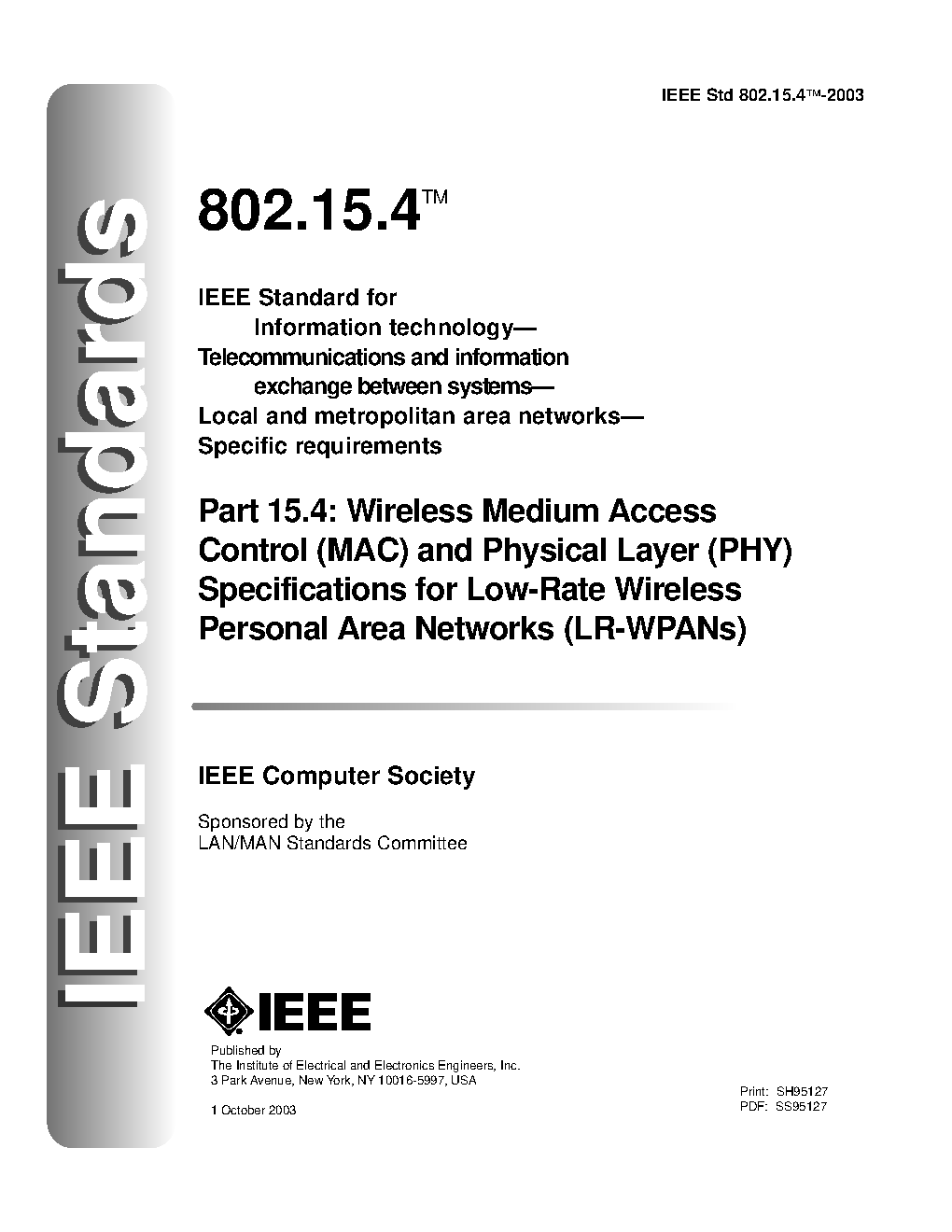
IEEE 802.15.4:2003
IEEE Standard for Telecommunications and Information Exchange Between Systems - LAN/MAN Specific Requirements - Part 15: Wireless Medium Access Control (MAC) and Physical Layer (PHY) Specifications for Low Rate Wireless Personal Area Networks (WPAN)

Summary
New IEEE Standard - Superseded.
Superseded by IEEE Std 802.15.4-2006 IEEE Std 802.15.4-2003 defined the protocol and compatible interconnection for data communication devices using low- data-rate, low-power, and low-complexity short-range radio frequency (RF) transmissions in a wireless personal area network (WPAN). This revision extends the market applicability of IEEE Std 802.15.4, removes ambiguities in the standard, and makes improvements revealed by implementations of IEEE Std 802.15.4-2003.
This project will define the PHY and MAC specifications for low data rate wireless connectivity with fixed, portable and moving devices with no battery or very limited battery consumption requirements typically operating in the Personal Operating Space (POS) of 10 meters (See 16a). It is foreseen that depending on the application that a longer range at a lower data rate may be an acceptable trade-off (See 16b). It is the intent of this project to work toward a level of coexistence with other wireless devices in conjunction with Coexistence Task Groups, such as 802.15.2.and 802.11/ETSI-BRAN/MMAC 5GSG.
To provide a standard for ultra low complexity, ultra low cost, ultra low power consumption and low data rate wireless connectivity among inexpensive devices. The raw data rate will be high enough (maximum of 250kbs) to satisfy a set of simple needs such as interactive toys, but scaleable down to the needs of sensor and automation needs (20kbps or below) for wireless communications.
Superseded by IEEE Std 802.15.4-2006 IEEE Std 802.15.4-2003 defined the protocol and compatible interconnection for data communication devices using low- data-rate, low-power, and low-complexity short-range radio frequency (RF) transmissions in a wireless personal area network (WPAN). This revision extends the market applicability of IEEE Std 802.15.4, removes ambiguities in the standard, and makes improvements revealed by implementations of IEEE Std 802.15.4-2003.
This project will define the PHY and MAC specifications for low data rate wireless connectivity with fixed, portable and moving devices with no battery or very limited battery consumption requirements typically operating in the Personal Operating Space (POS) of 10 meters (See 16a). It is foreseen that depending on the application that a longer range at a lower data rate may be an acceptable trade-off (See 16b). It is the intent of this project to work toward a level of coexistence with other wireless devices in conjunction with Coexistence Task Groups, such as 802.15.2.and 802.11/ETSI-BRAN/MMAC 5GSG.
To provide a standard for ultra low complexity, ultra low cost, ultra low power consumption and low data rate wireless connectivity among inexpensive devices. The raw data rate will be high enough (maximum of 250kbs) to satisfy a set of simple needs such as interactive toys, but scaleable down to the needs of sensor and automation needs (20kbps or below) for wireless communications.
Notes
Superseded
Technical characteristics
| Publisher | Institute of Electrical and Electronics Engineers (IEEE) |
| Publication Date | 10/01/2003 |
| Edition | |
| Page Count | 680 |
| EAN | --- |
| ISBN | --- |
| Weight (in grams) | --- |
| Brochures |

|
No products.
Previous versions
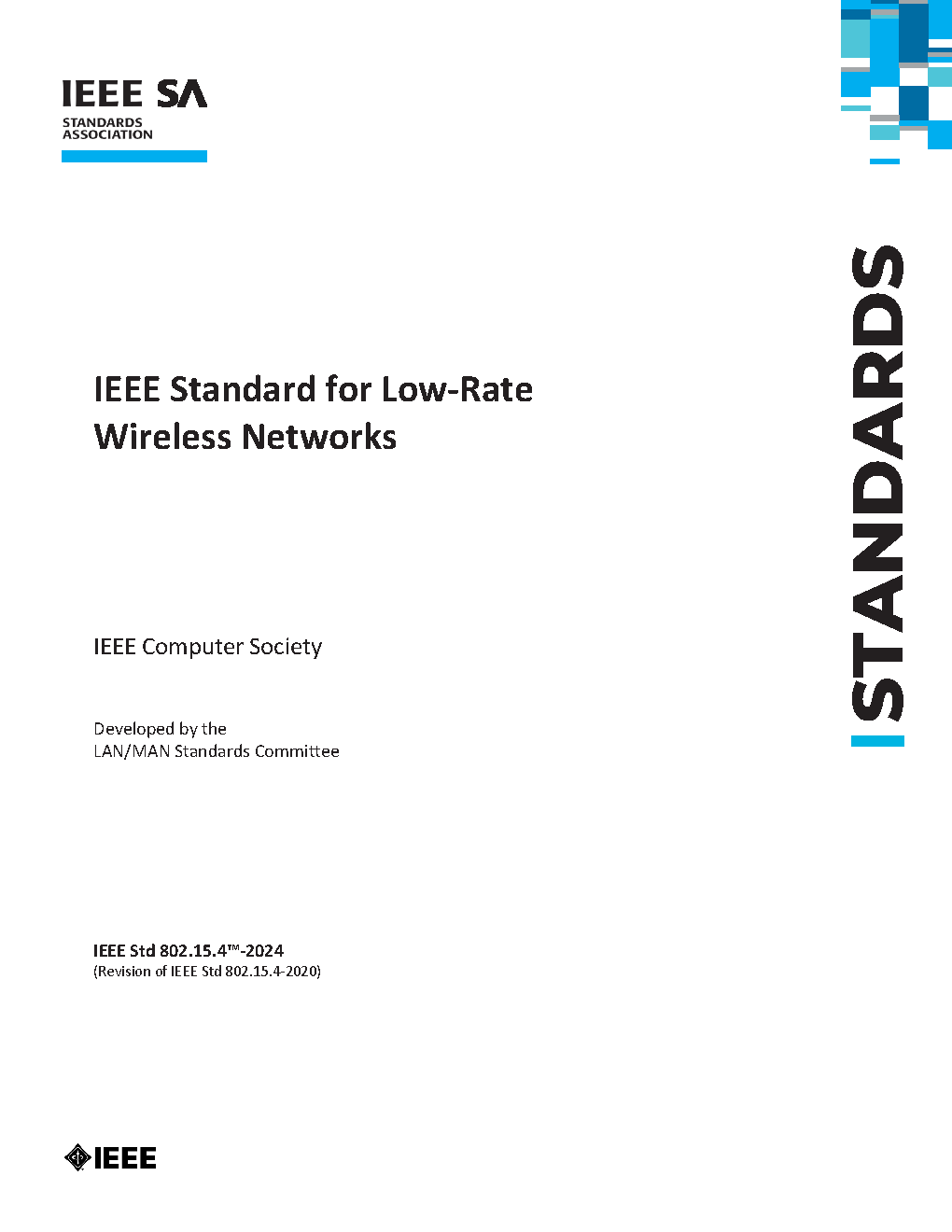
12/12/2024
Active
Most Recent
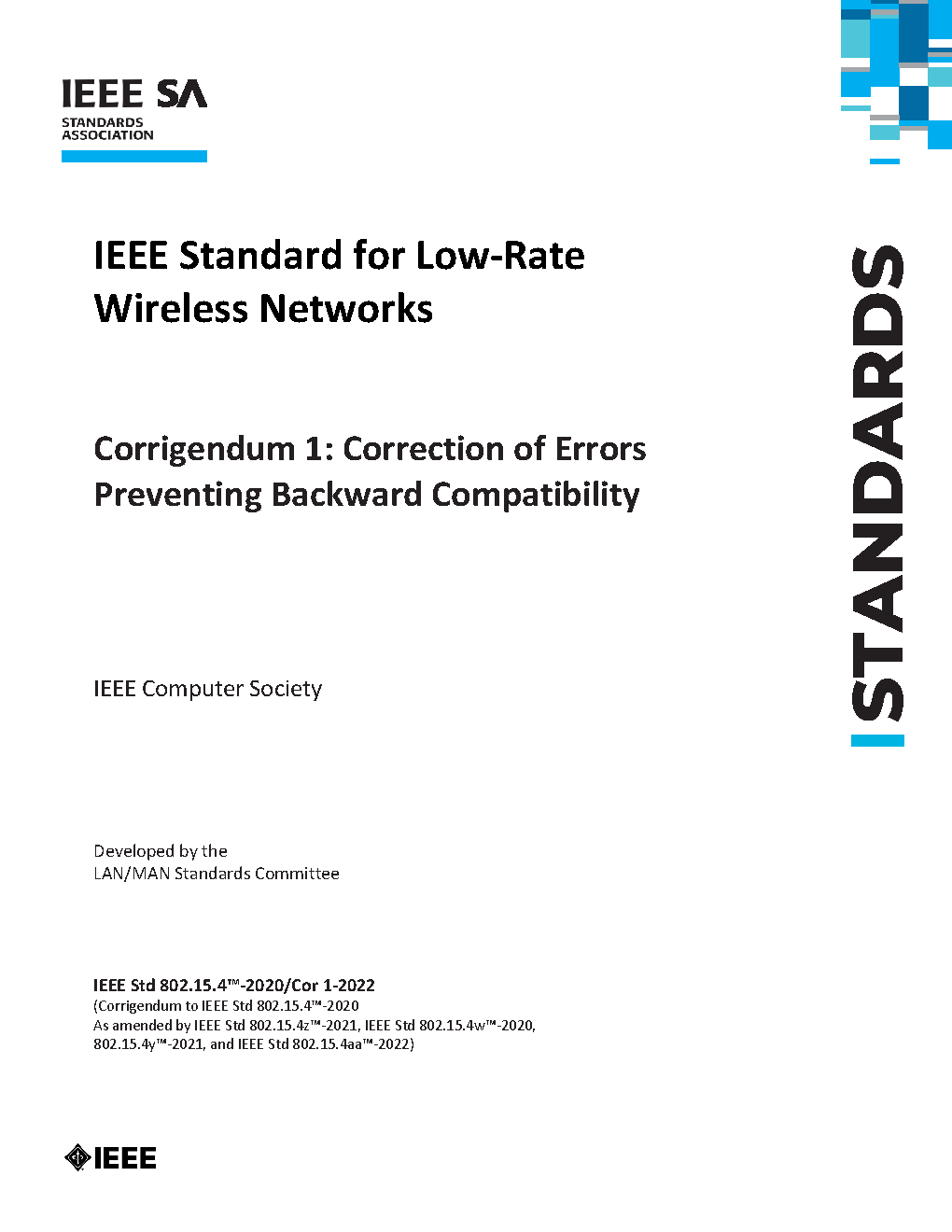
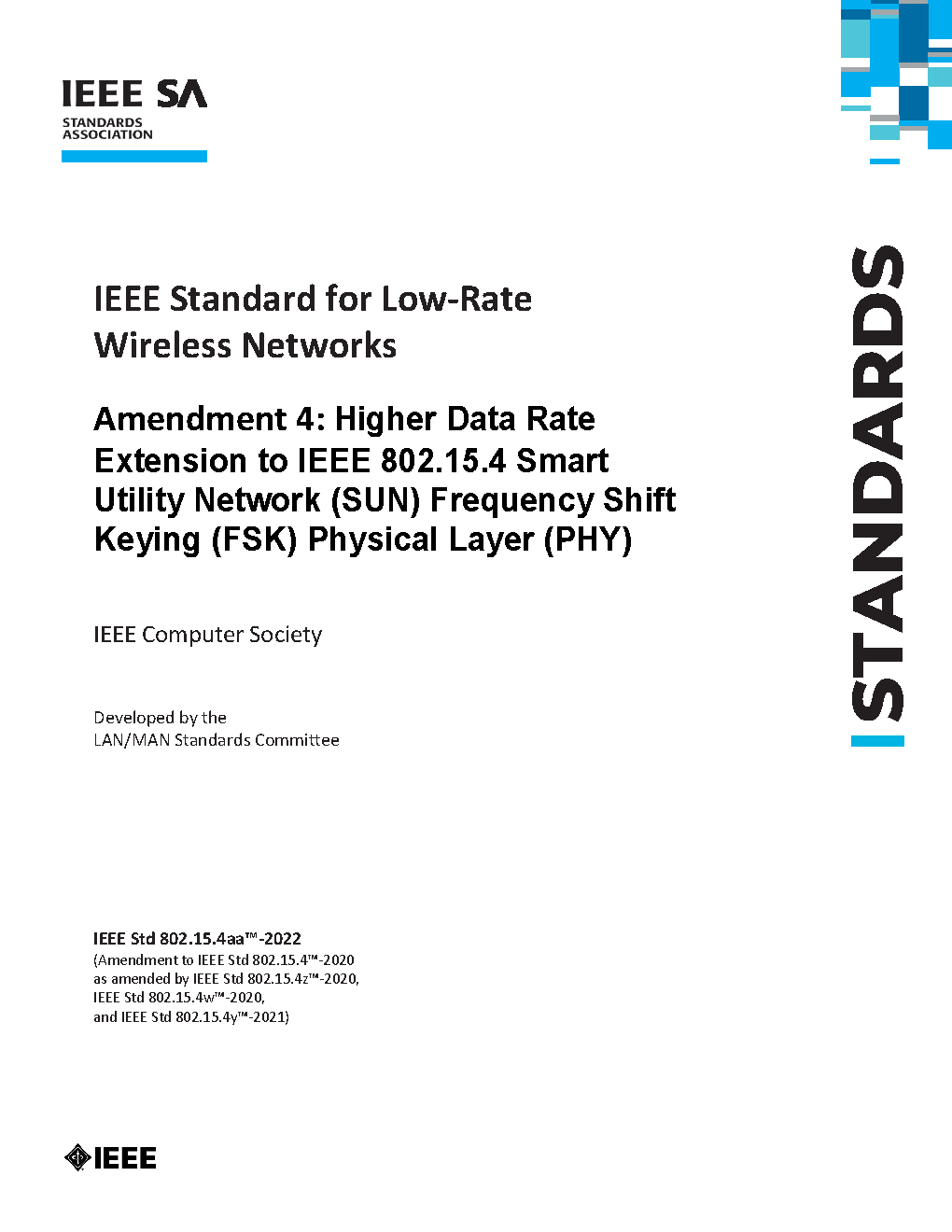
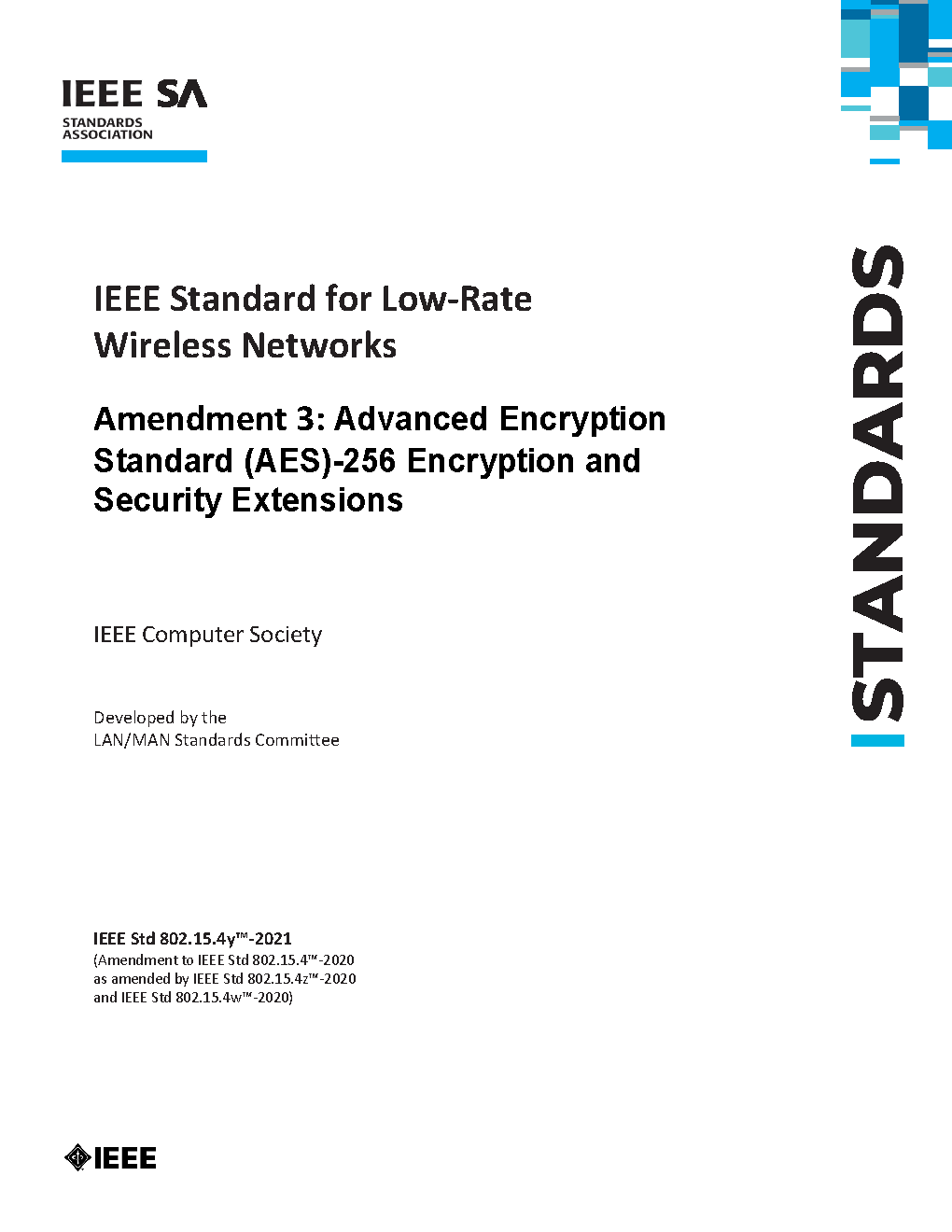
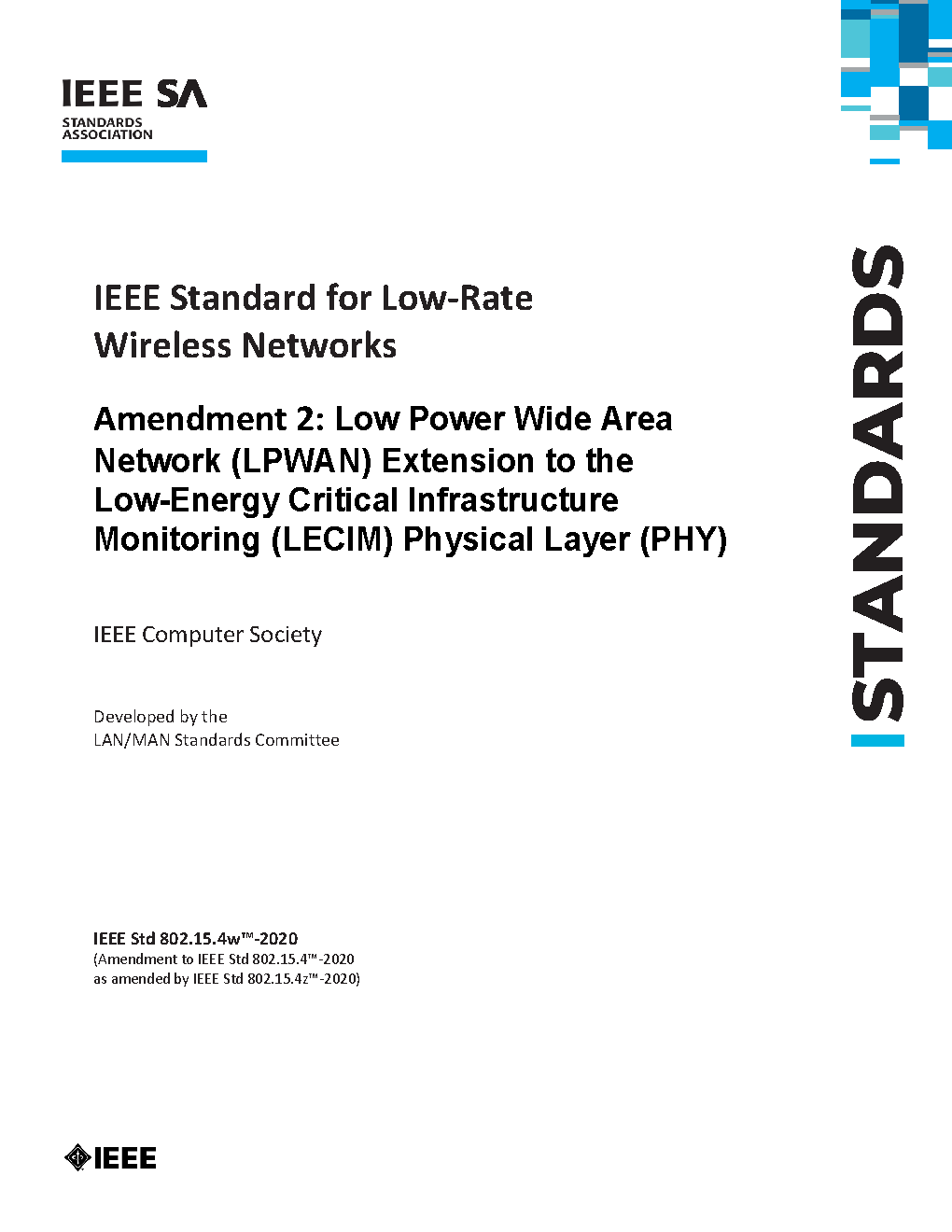
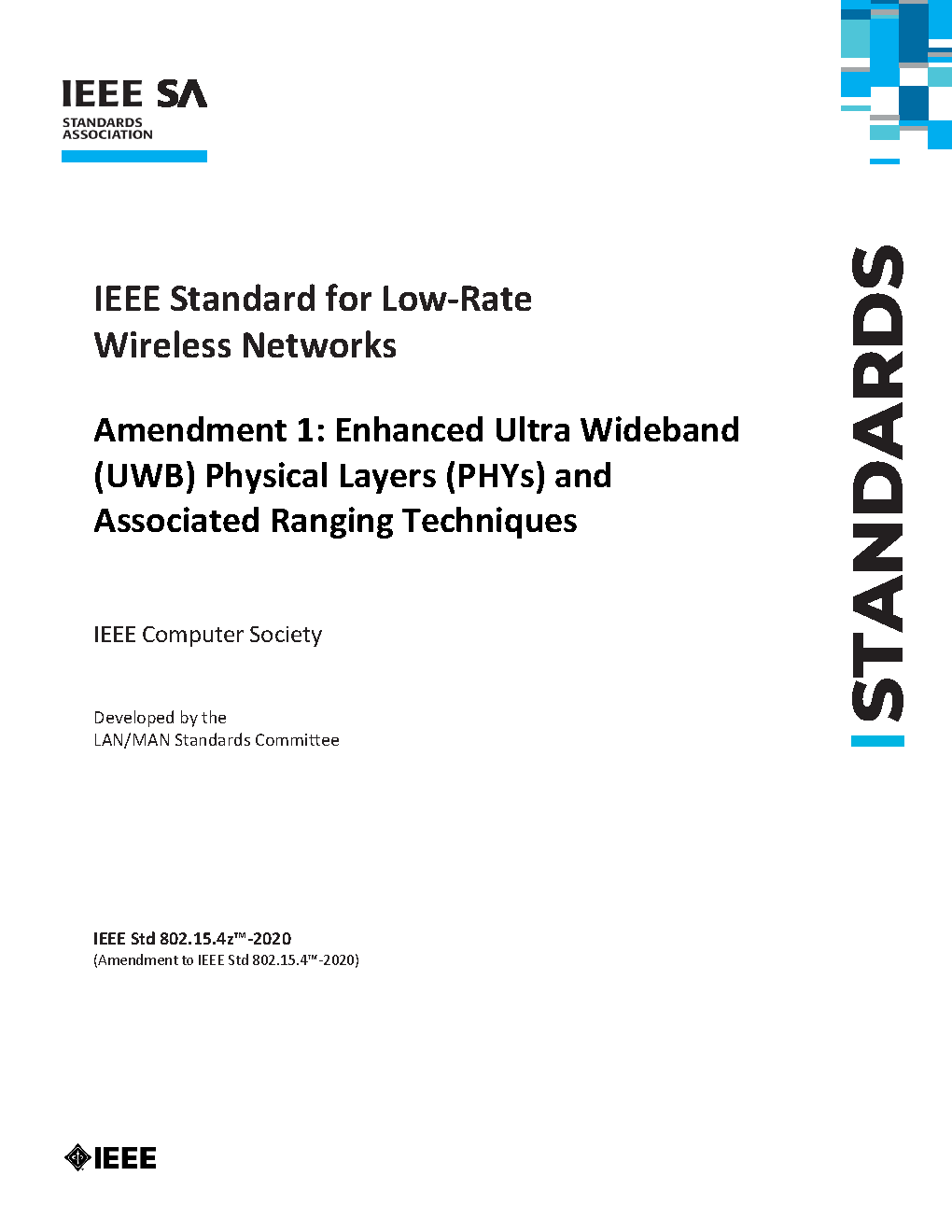
09/07/2018
Superseded
Historical
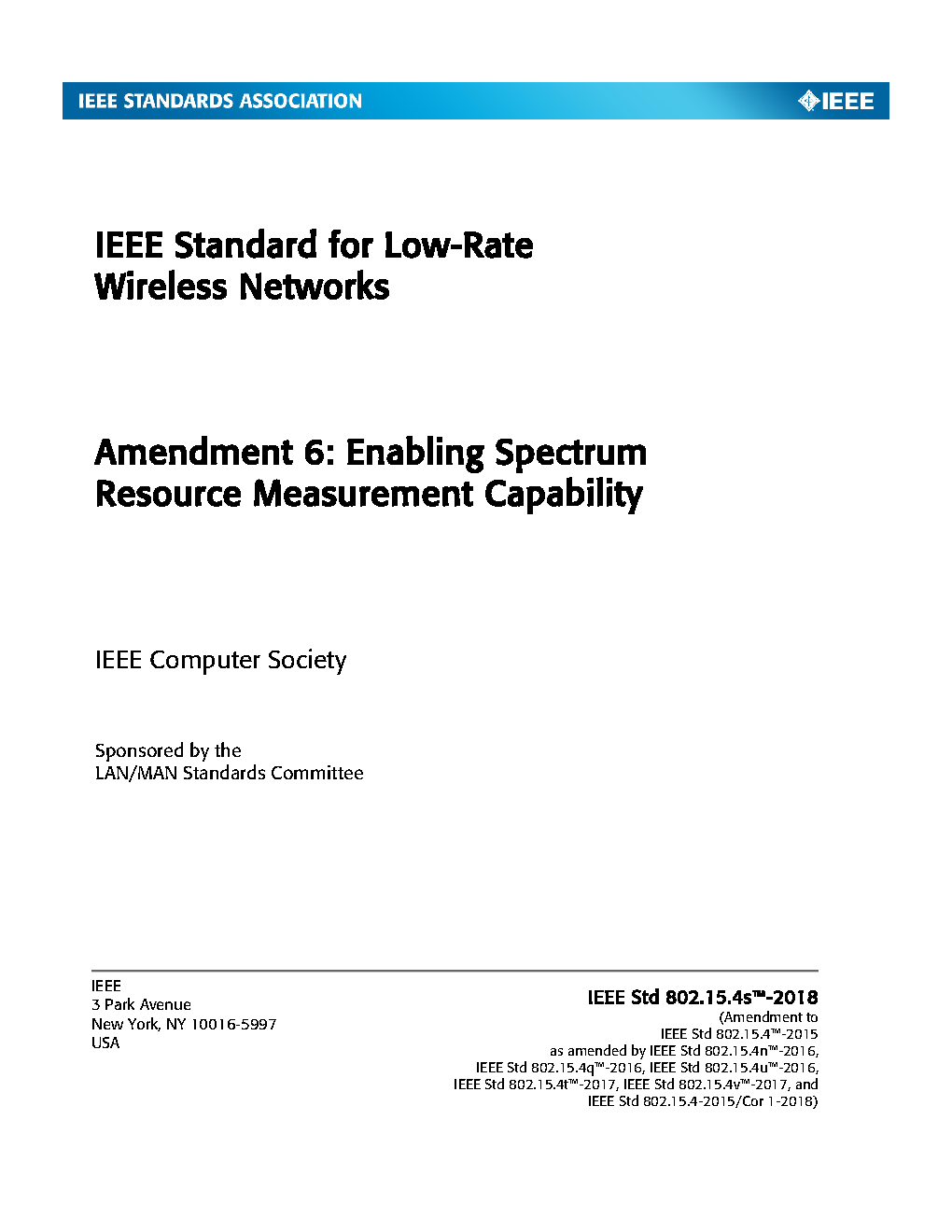
27/06/2018
Superseded
Historical
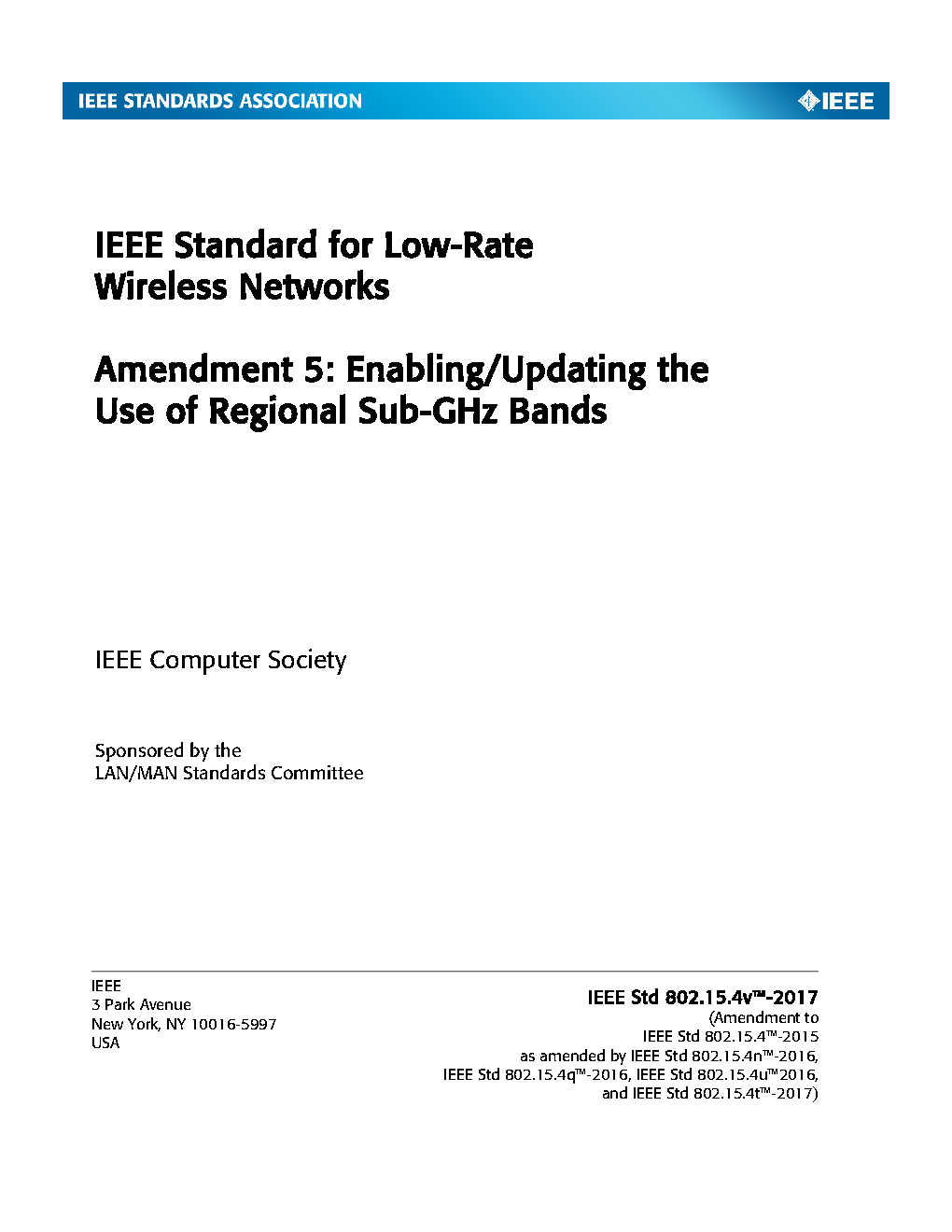
30/06/2017
Superseded
Historical
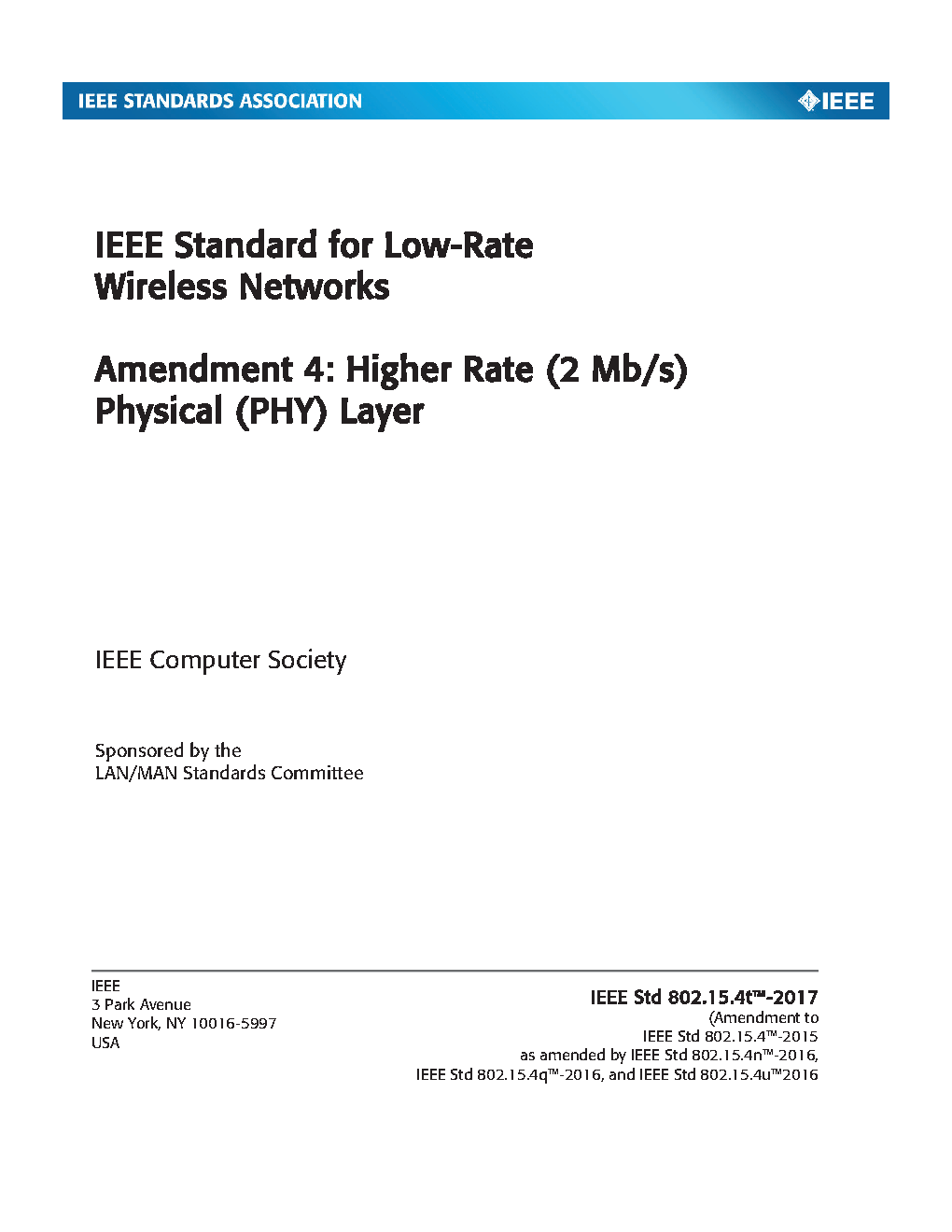
14/04/2017
Superseded
Historical
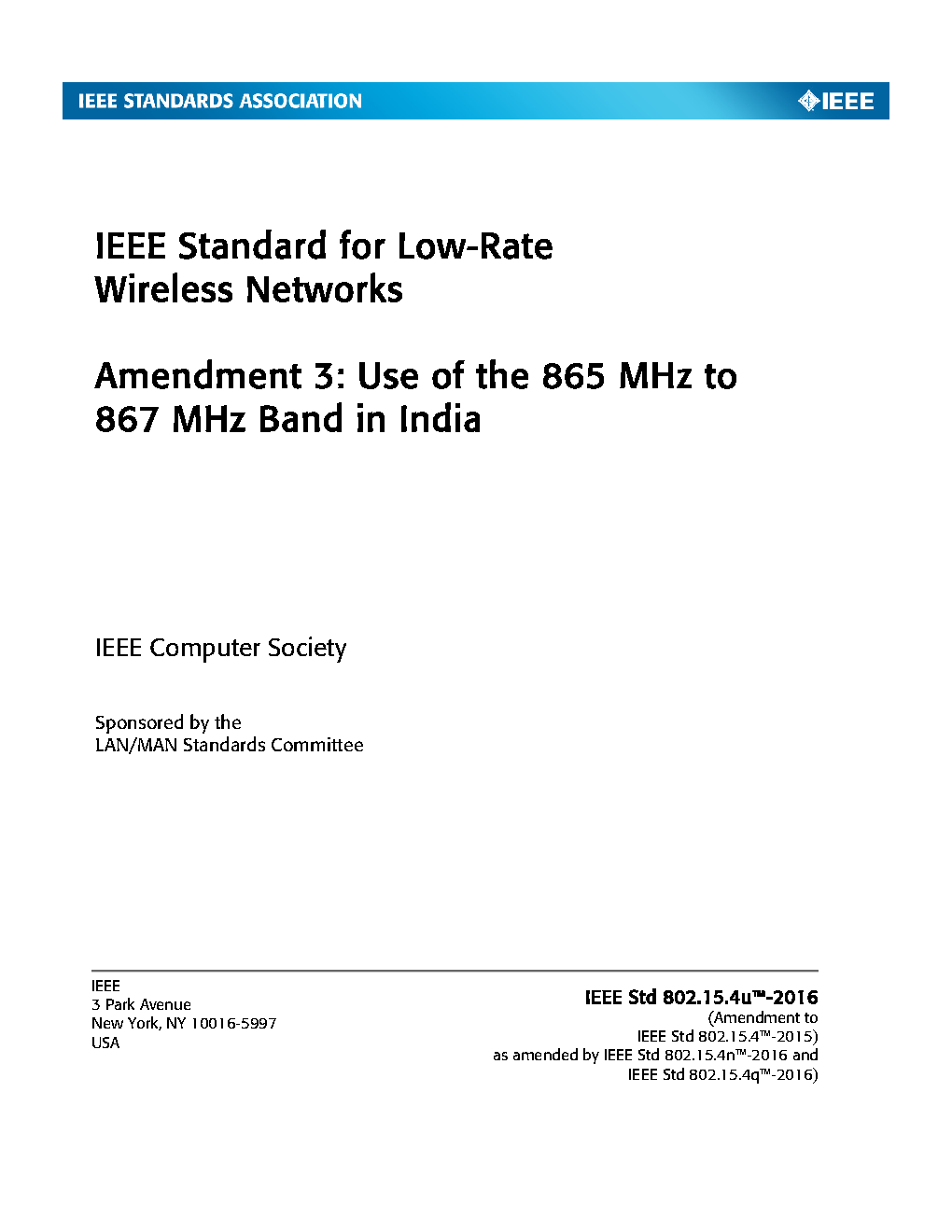
10/02/2017
Superseded
Historical
29/04/2016
Superseded
Historical
29/04/2016
Superseded
Historical
27/02/2013
Superseded
Historical
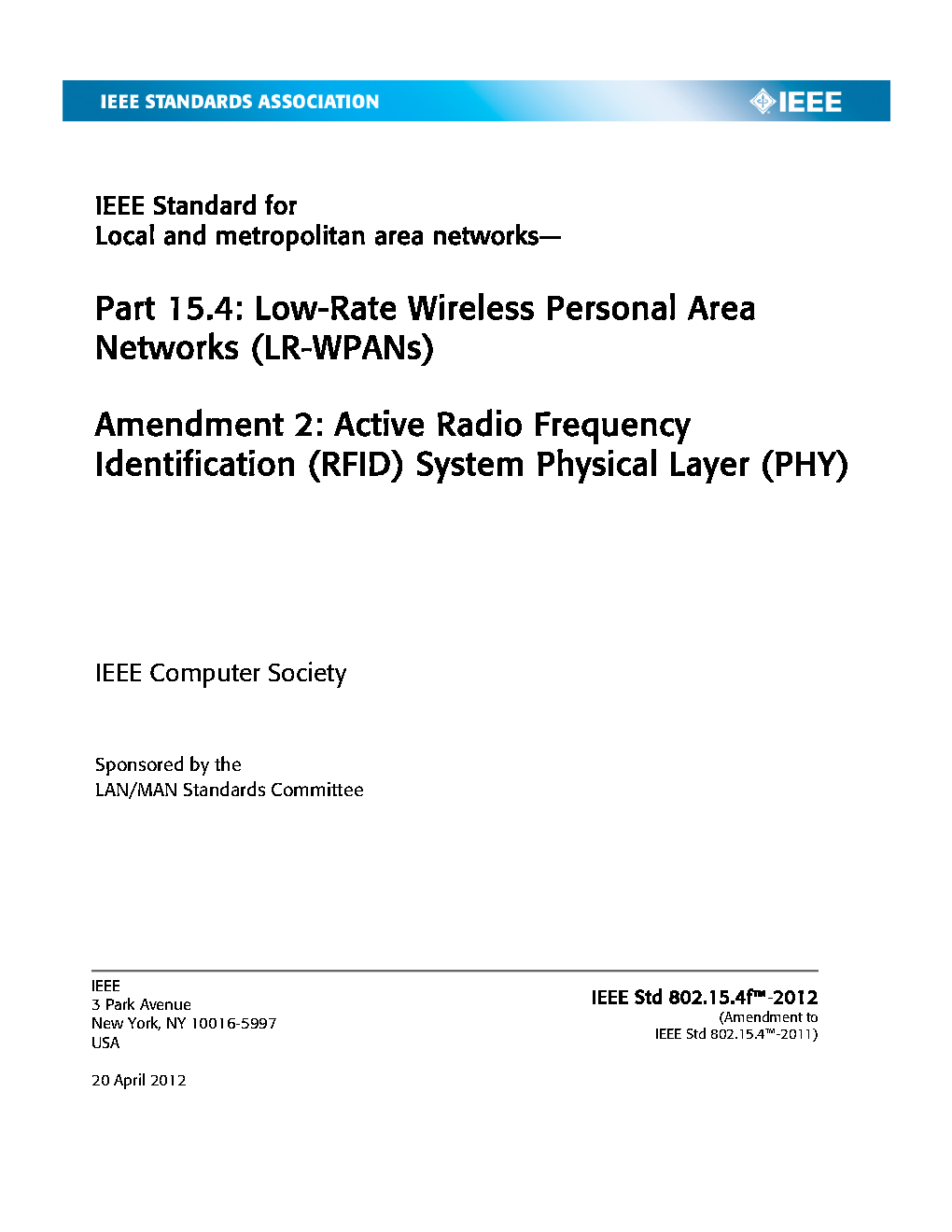
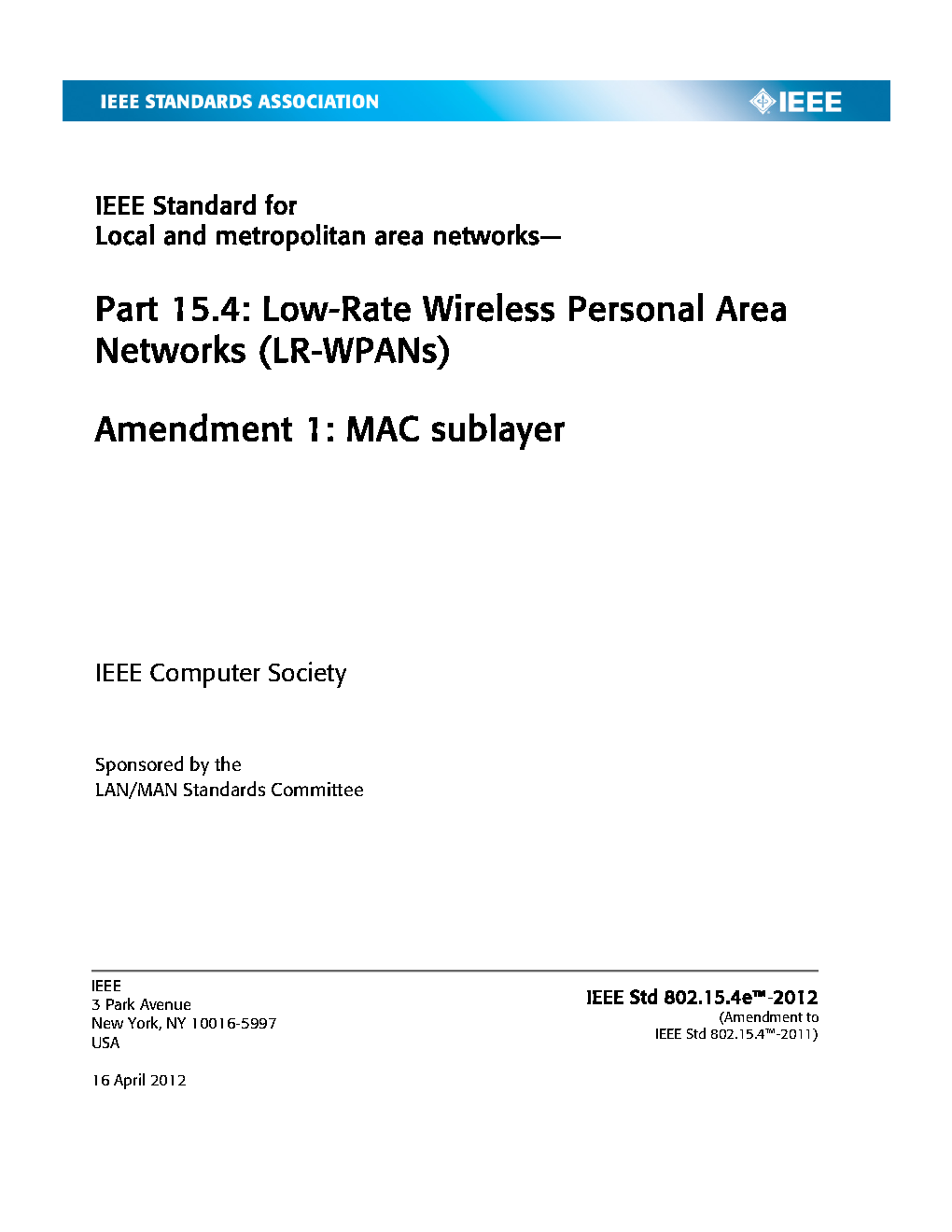
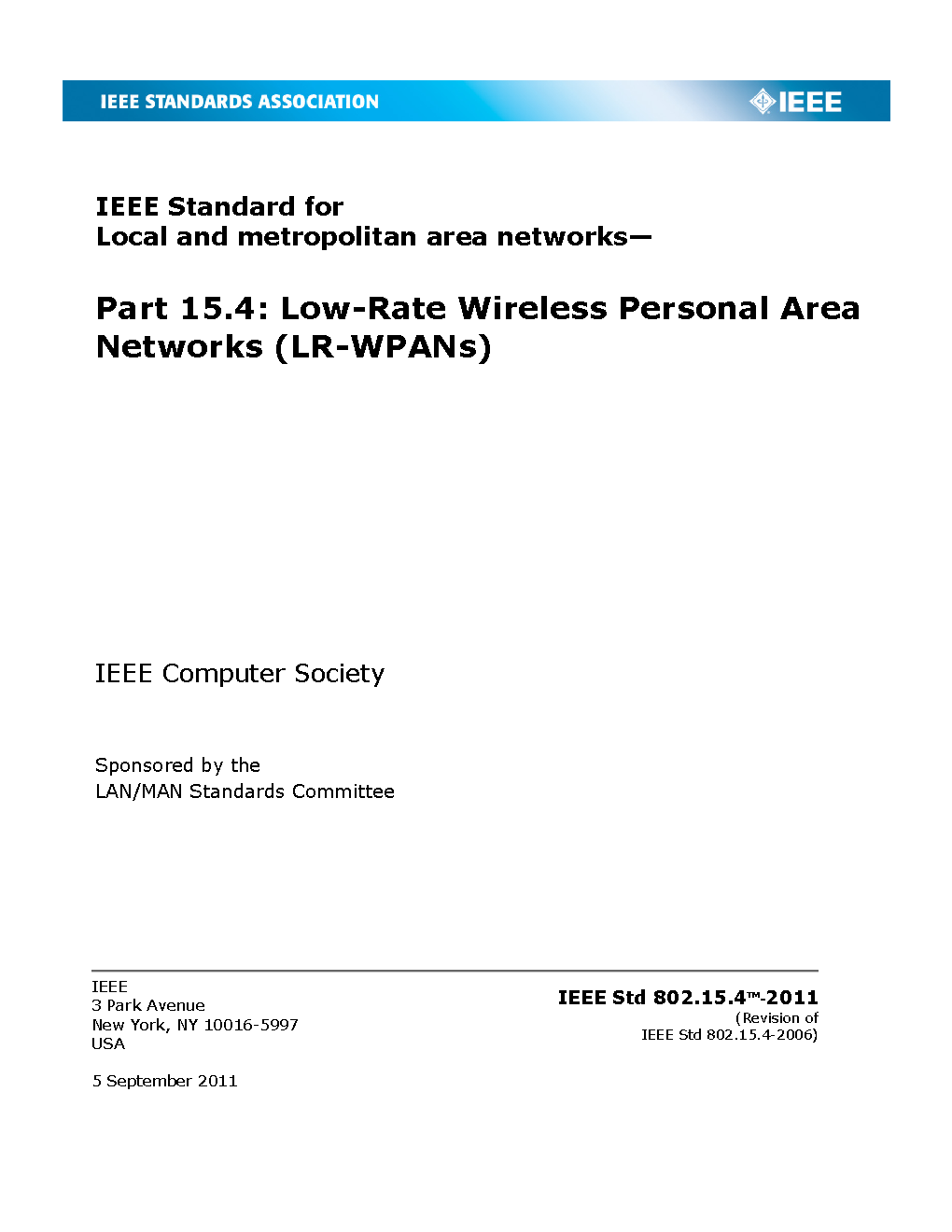
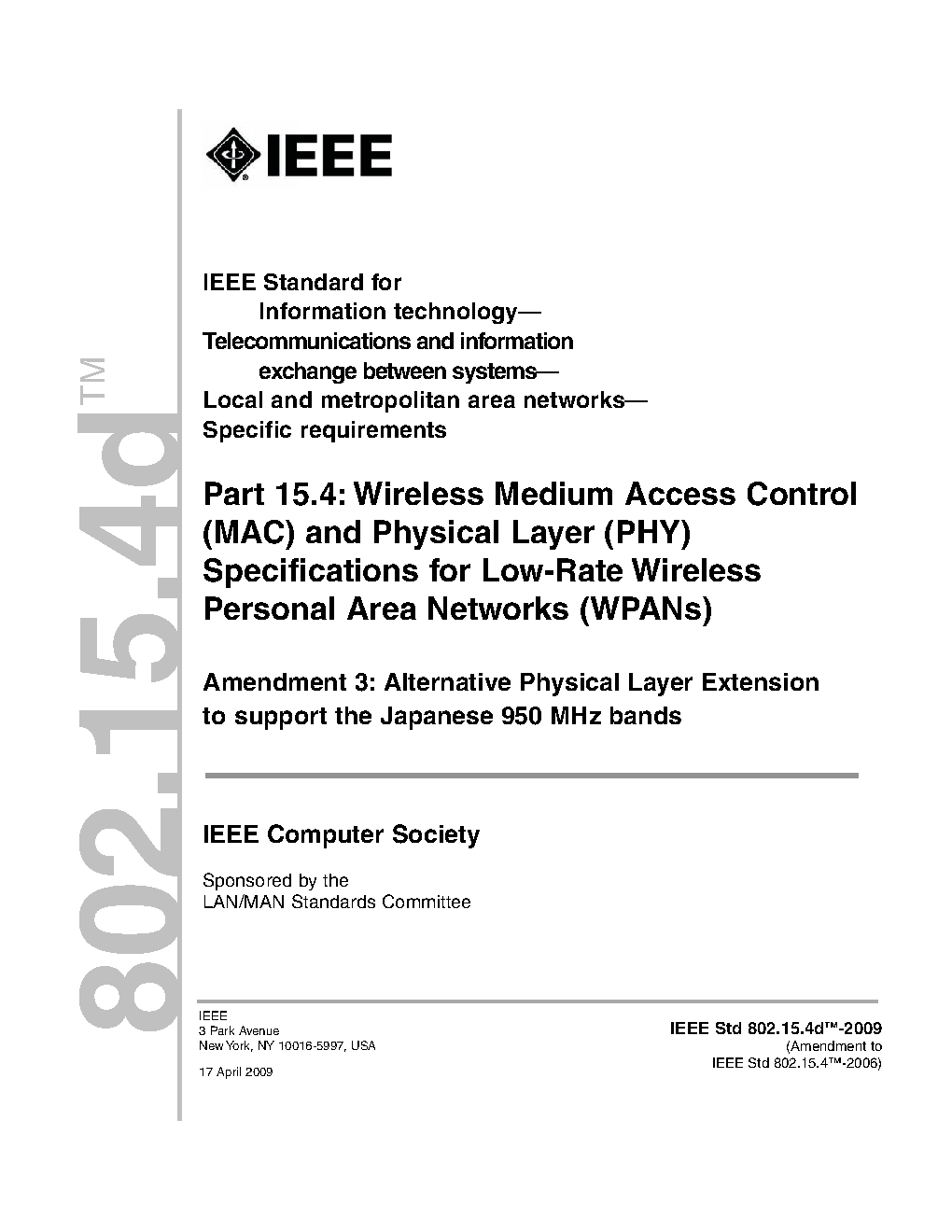
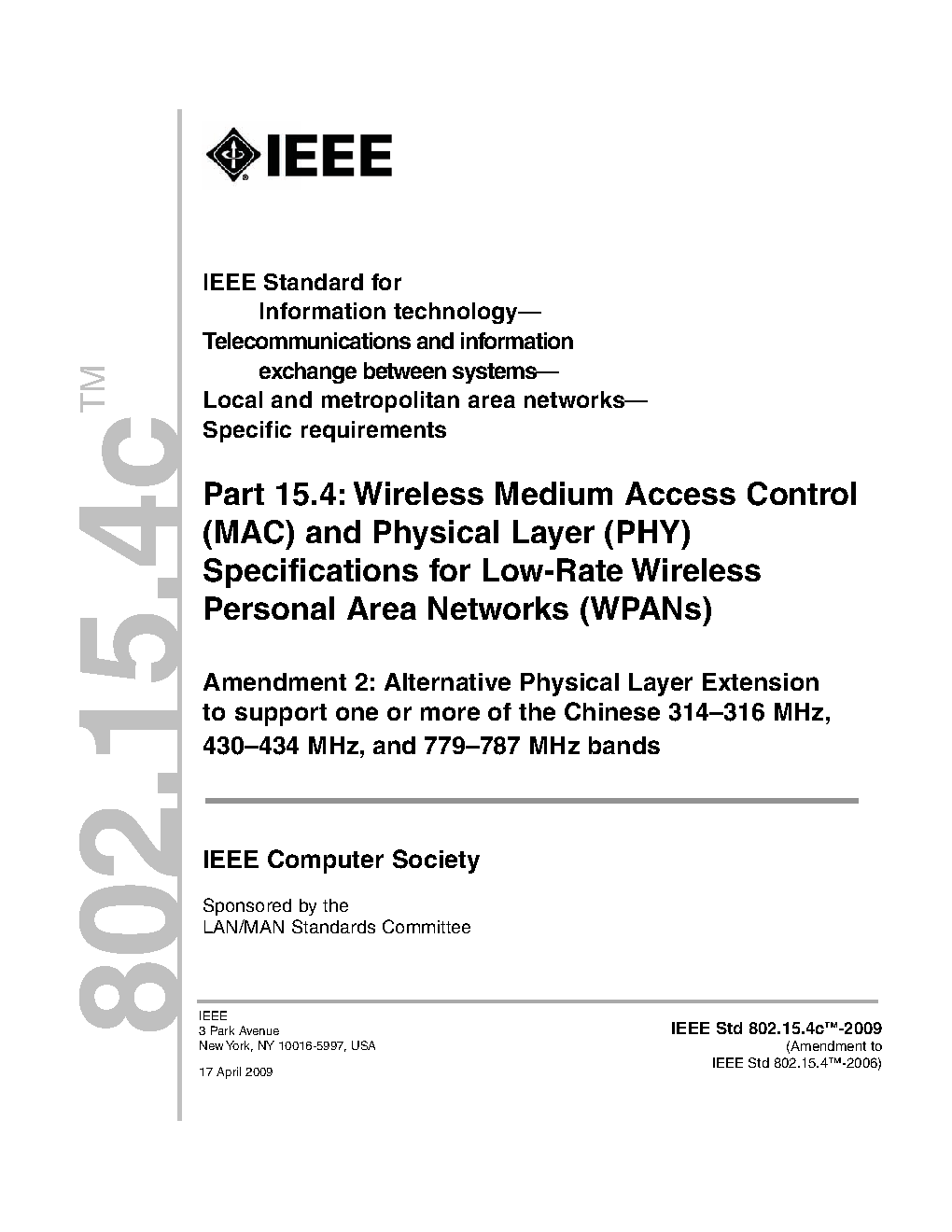
17/04/2009
Superseded
Historical
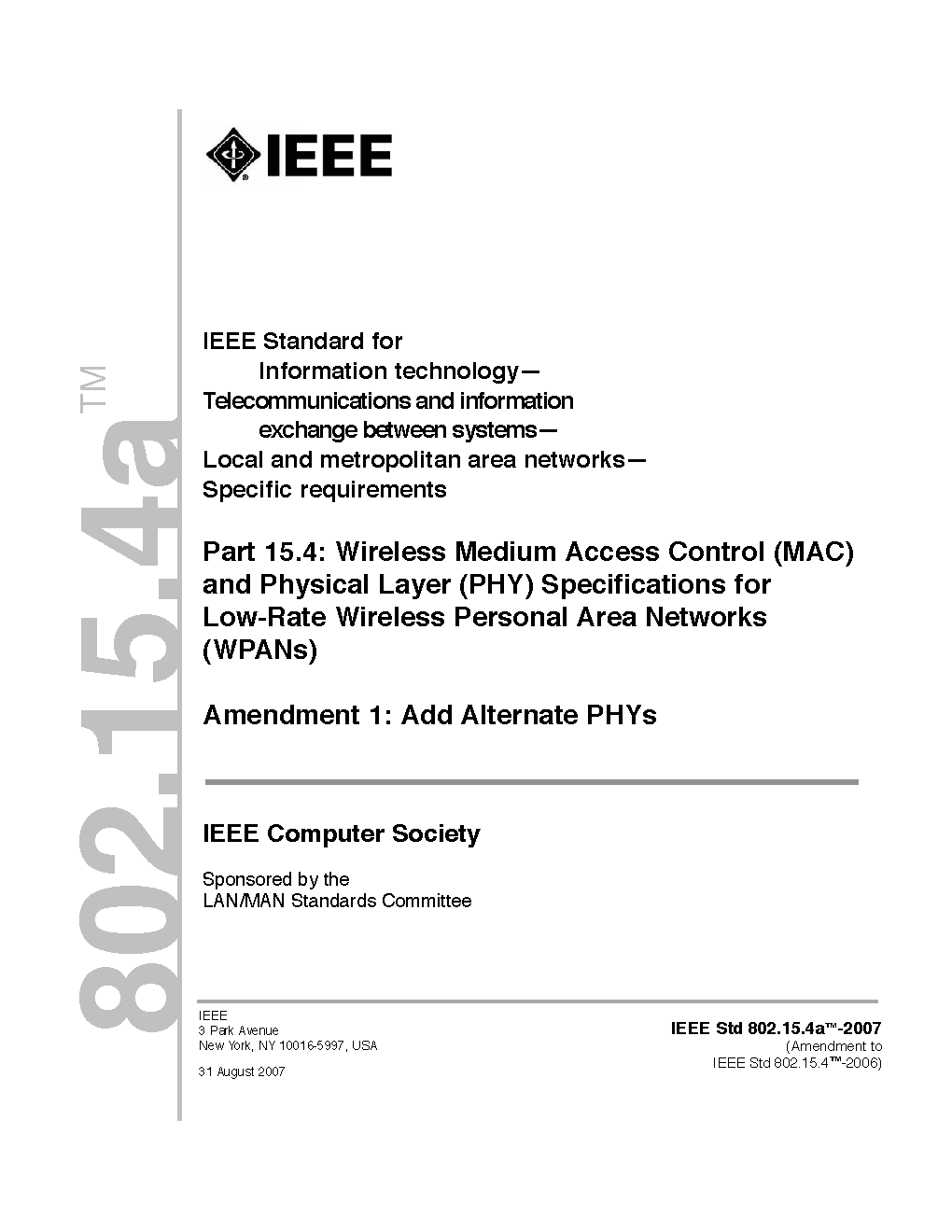
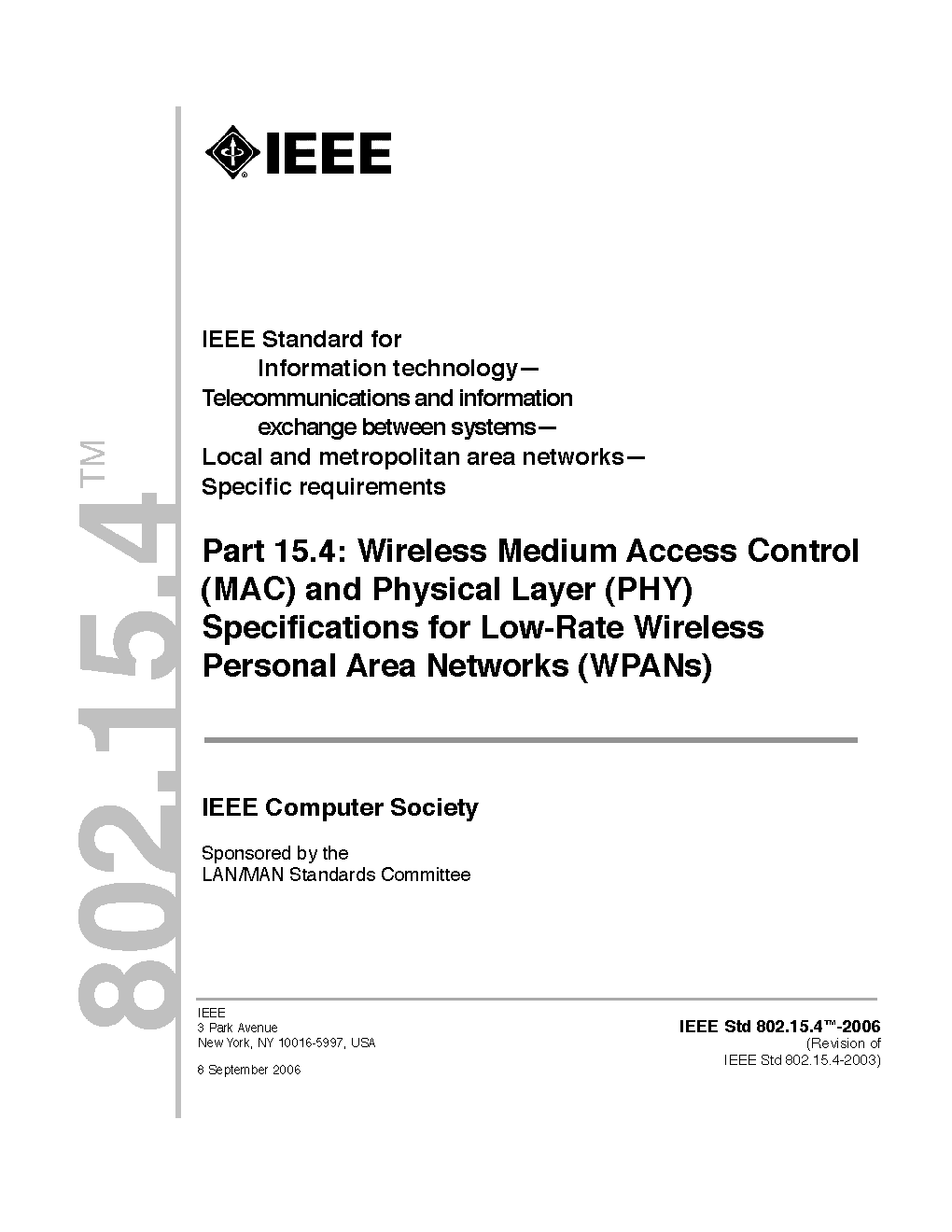
01/10/2003
Superseded
Historical