Superseded
Standard
Historical
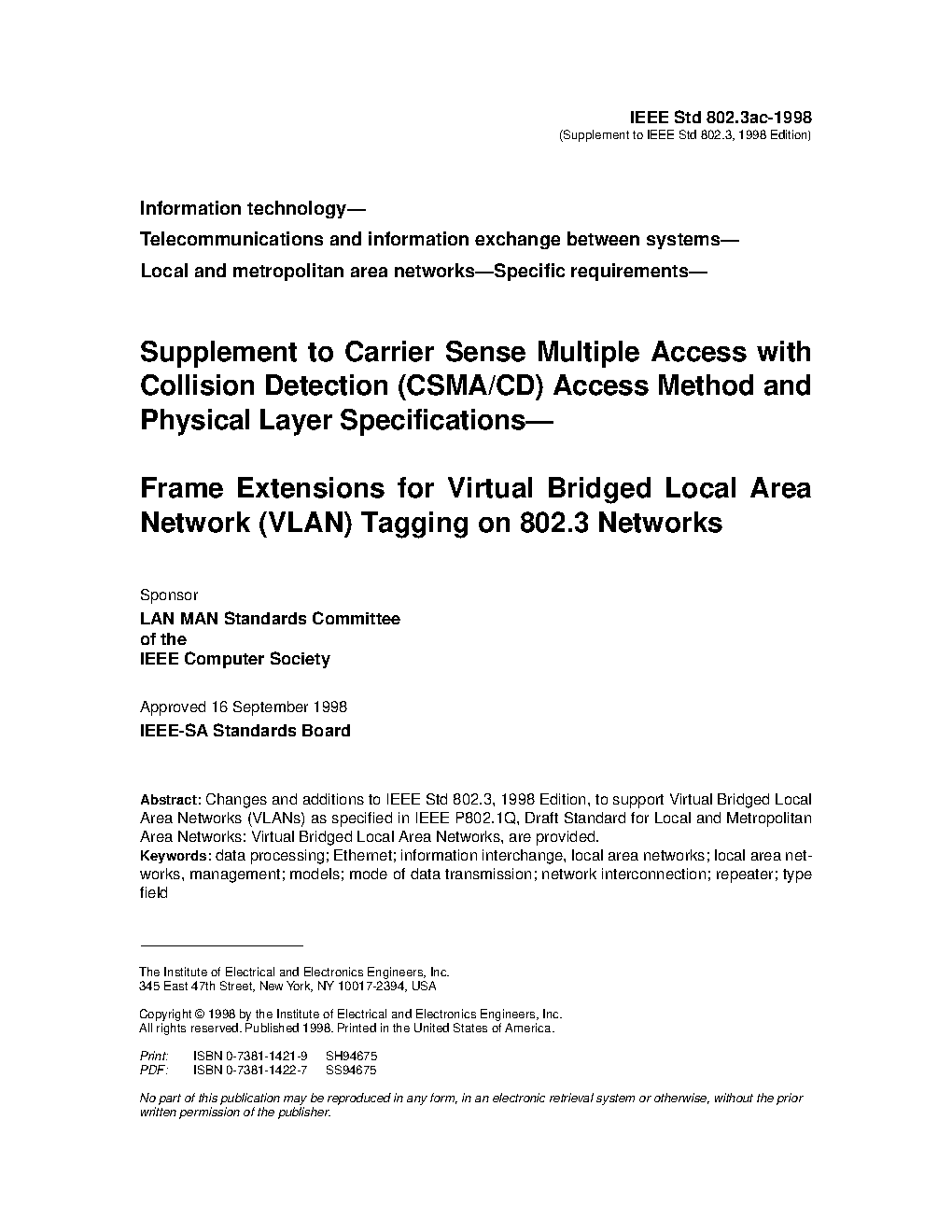
IEEE 802.3:1998
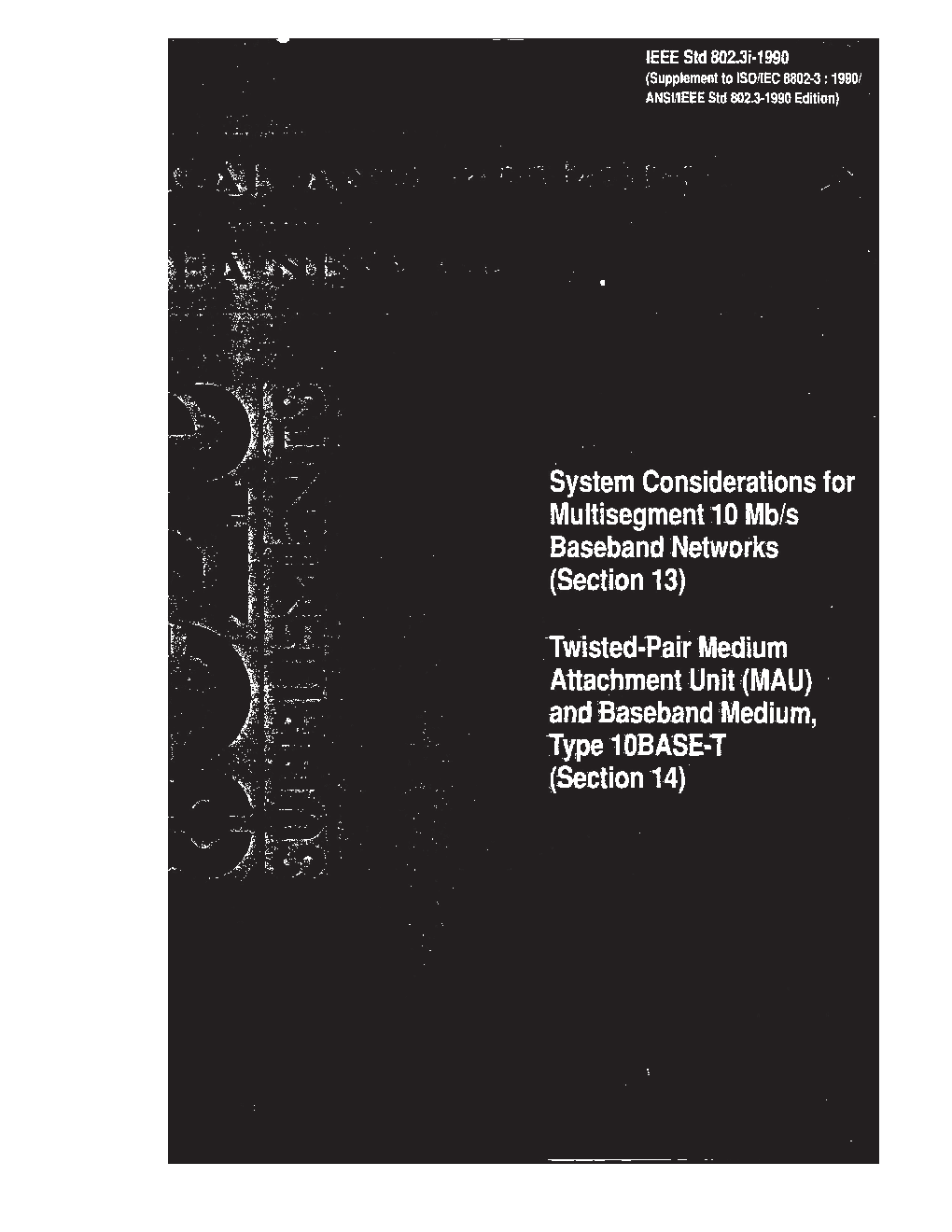
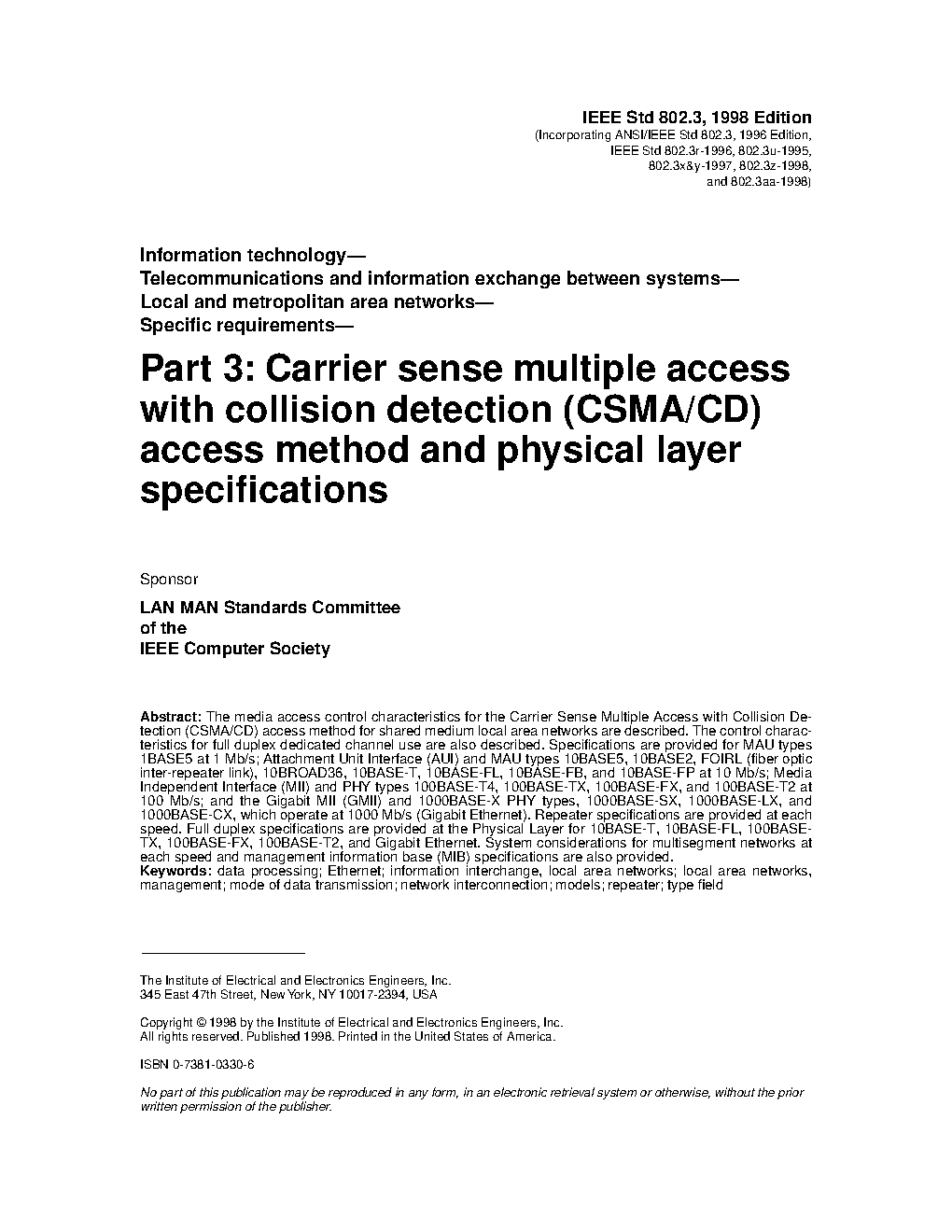
IEEE Standards for Information technology—Telecommunications and information exchange between systems—Local and metropolitan area networks-Specific requirements-Part 3: Carrier Sense Multiple Access with Collision Detection (CSMA/CD) Access Method and Physical Layer Specifications

Summary
Revision Standard - Superseded.
The media access control characteristics for the Carrier Sense Multiple Access with Collision Detection (CSMA/CD) access method for shared medium local area networks are described. The control characteristics for full duplex dedicated channel use are also described. Specifications are provided for MAU types 1BASE5 at 1 Mb/s; Attachment Unit Interface (AUI) and MAU types 10BASE5, 10BASE2, FOIRL (fiber optic inter-repeater link), 10BROAD36, 10BASE-T, 10BASE-FL, 10BASE-FB, and 10BASE-FP at 10 Mb/s; Media Independent Interface (MII) and PHY types 100BASE-T4, 100BASE-TX, 100BASE-FX, and 100BASE-T2 at 100 Mb/s; and the Gigabit MII (GMII) and 1000BASE-X PHY types, 1000BASE-SX, 1000BASE-LX, and 1000BASE-CX, which operate at 1000 Mb/s (Gigabit Ethernet). Repeater specifications are provided at each speed. Full duplex specifications are provided at the Physical Layer for 10BASE-T, 10BASE-FL, 100BASETX,100BASE-FX, 100BASE-T2, and Gigabit Ethernet. System considerations for multisegment networks at each speed and management information base (MIB) specifications are also provided.
This is a comprehensive International Standard for Local Area Networks (LANs) employing CSMA/CD as
the access method. This International Standard is intended to encompass several media types and techniques for signal rates from 1 Mb/s to 1000 Mb/s. This edition of the standard provides the necessary specifications for the following families of systems: a 1 Mb/s baseband system, 10 Mb/s baseband and broadband systems, a 100 Mb/s baseband system, and a 1000 Mb/s baseband system.
This standard provides for two distinct modes of operation: half duplex and full duplex. A given IEEE 802.3 instantiation operates in either half or full duplex mode at any one time. The term "CSMA/CD MAC" is used throughout this standard synonymously with "802.3 MAC," and may represent an instance of either a half duplex or full duplex mode data terminal equipment (DTE), even though full duplex mode DTEs do not implement the CSMA/CD algorithms traditionally used to arbitrate access to shared-media LANs.
The media access control characteristics for the Carrier Sense Multiple Access with Collision Detection (CSMA/CD) access method for shared medium local area networks are described. The control characteristics for full duplex dedicated channel use are also described. Specifications are provided for MAU types 1BASE5 at 1 Mb/s; Attachment Unit Interface (AUI) and MAU types 10BASE5, 10BASE2, FOIRL (fiber optic inter-repeater link), 10BROAD36, 10BASE-T, 10BASE-FL, 10BASE-FB, and 10BASE-FP at 10 Mb/s; Media Independent Interface (MII) and PHY types 100BASE-T4, 100BASE-TX, 100BASE-FX, and 100BASE-T2 at 100 Mb/s; and the Gigabit MII (GMII) and 1000BASE-X PHY types, 1000BASE-SX, 1000BASE-LX, and 1000BASE-CX, which operate at 1000 Mb/s (Gigabit Ethernet). Repeater specifications are provided at each speed. Full duplex specifications are provided at the Physical Layer for 10BASE-T, 10BASE-FL, 100BASETX,100BASE-FX, 100BASE-T2, and Gigabit Ethernet. System considerations for multisegment networks at each speed and management information base (MIB) specifications are also provided.
This is a comprehensive International Standard for Local Area Networks (LANs) employing CSMA/CD as
the access method. This International Standard is intended to encompass several media types and techniques for signal rates from 1 Mb/s to 1000 Mb/s. This edition of the standard provides the necessary specifications for the following families of systems: a 1 Mb/s baseband system, 10 Mb/s baseband and broadband systems, a 100 Mb/s baseband system, and a 1000 Mb/s baseband system.
This standard provides for two distinct modes of operation: half duplex and full duplex. A given IEEE 802.3 instantiation operates in either half or full duplex mode at any one time. The term "CSMA/CD MAC" is used throughout this standard synonymously with "802.3 MAC," and may represent an instance of either a half duplex or full duplex mode data terminal equipment (DTE), even though full duplex mode DTEs do not implement the CSMA/CD algorithms traditionally used to arbitrate access to shared-media LANs.
Notes
Superseded
Technical characteristics
| Publisher | Institute of Electrical and Electronics Engineers (IEEE) |
| Publication Date | 09/28/1998 |
| Edition | |
| Page Count | 1262 |
| EAN | --- |
| ISBN | --- |
| Weight (in grams) | --- |
| Brochures |

|
Amendments replaces
Previous versions
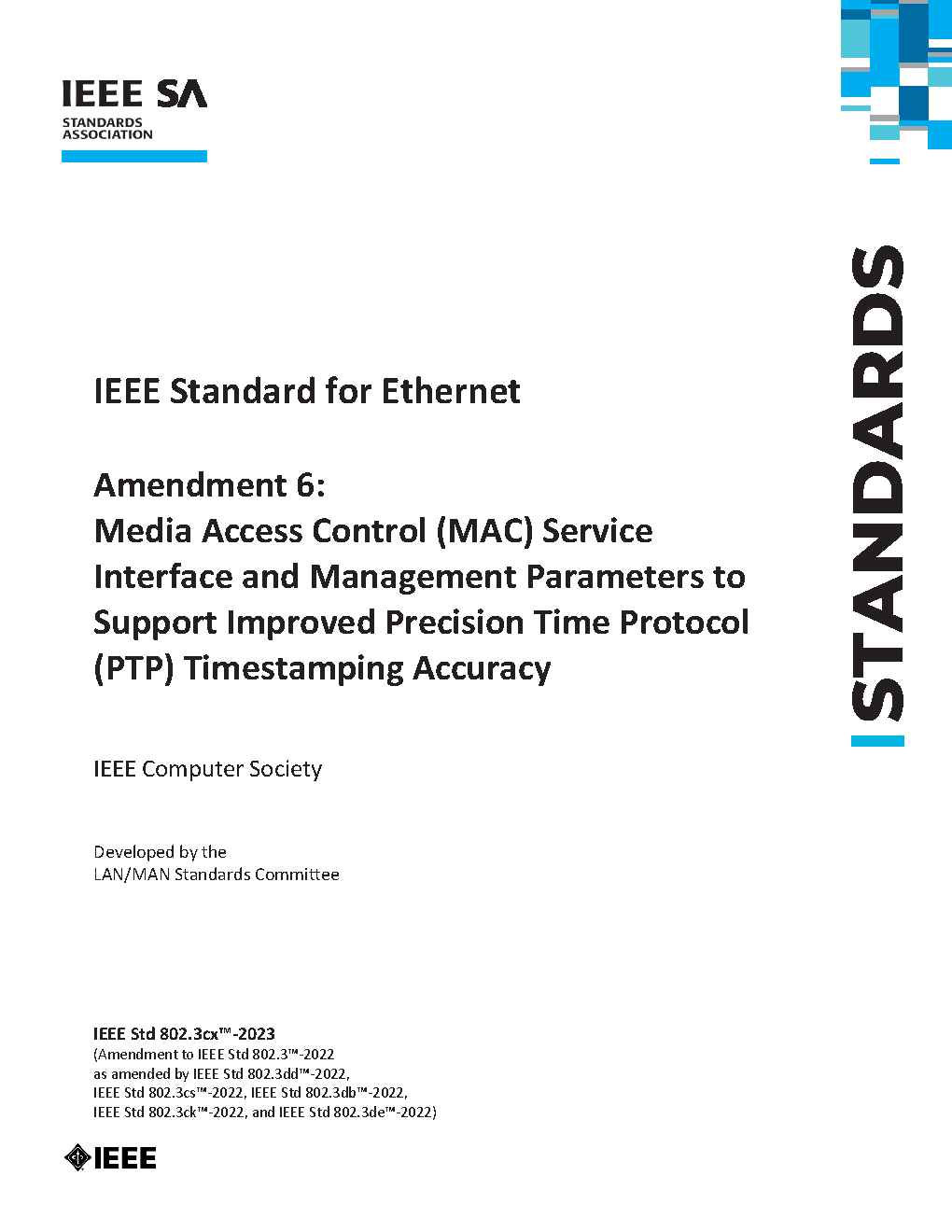
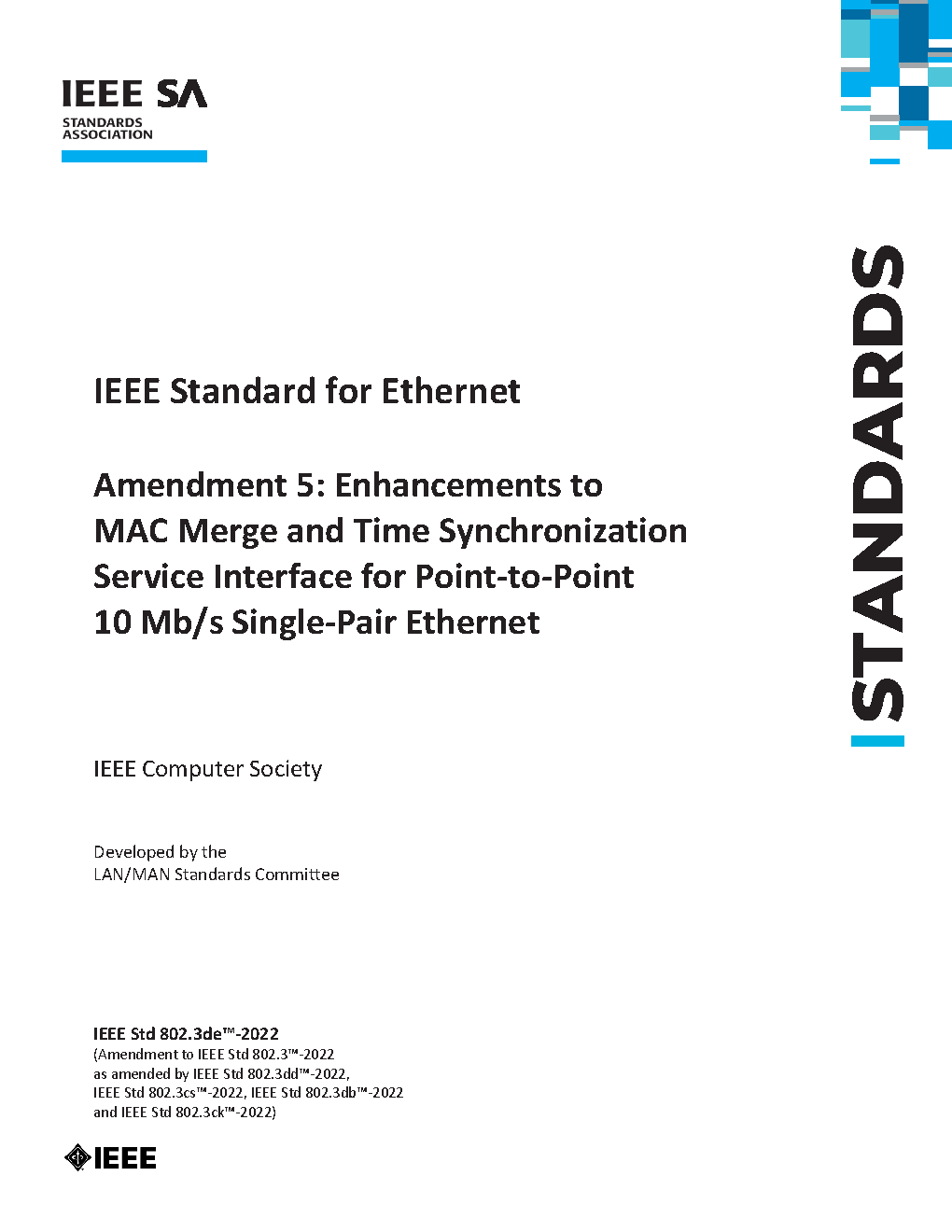
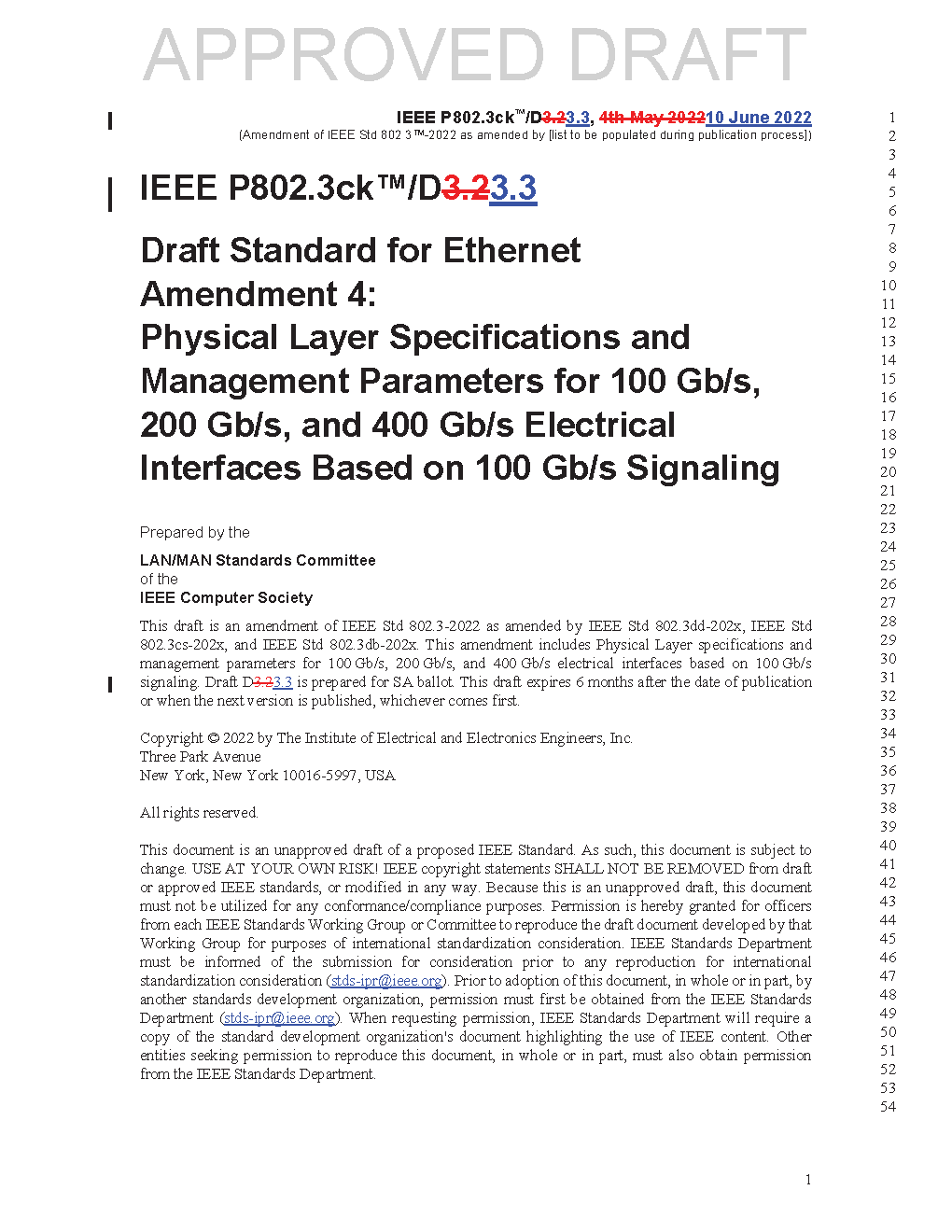
16/07/2021
Superseded
Historical
28/05/2021
Superseded
Historical
24/02/2021
Superseded
Historical


13/03/2020
Superseded
Historical

21/04/2017
Superseded
Historical
14/10/2016
Superseded
Historical
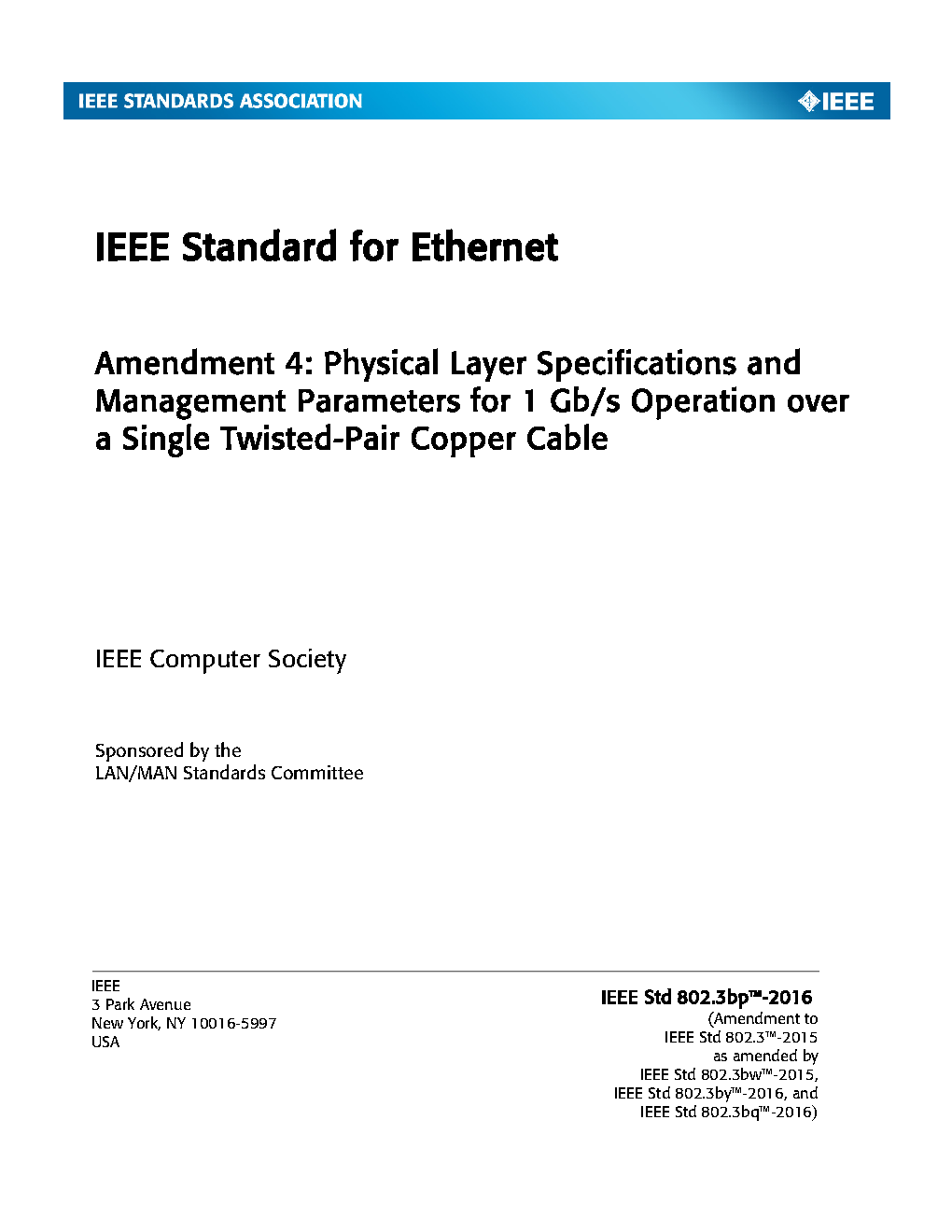
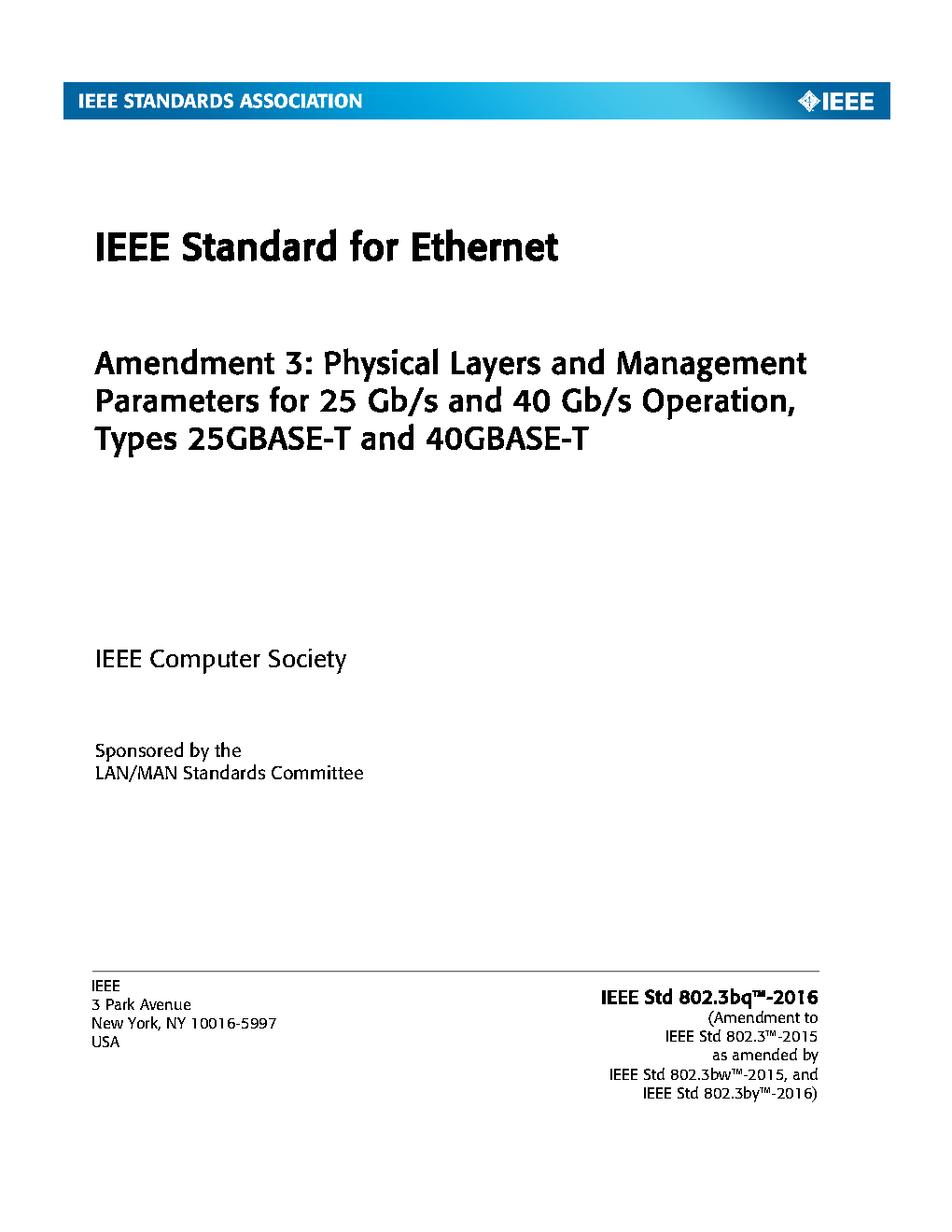
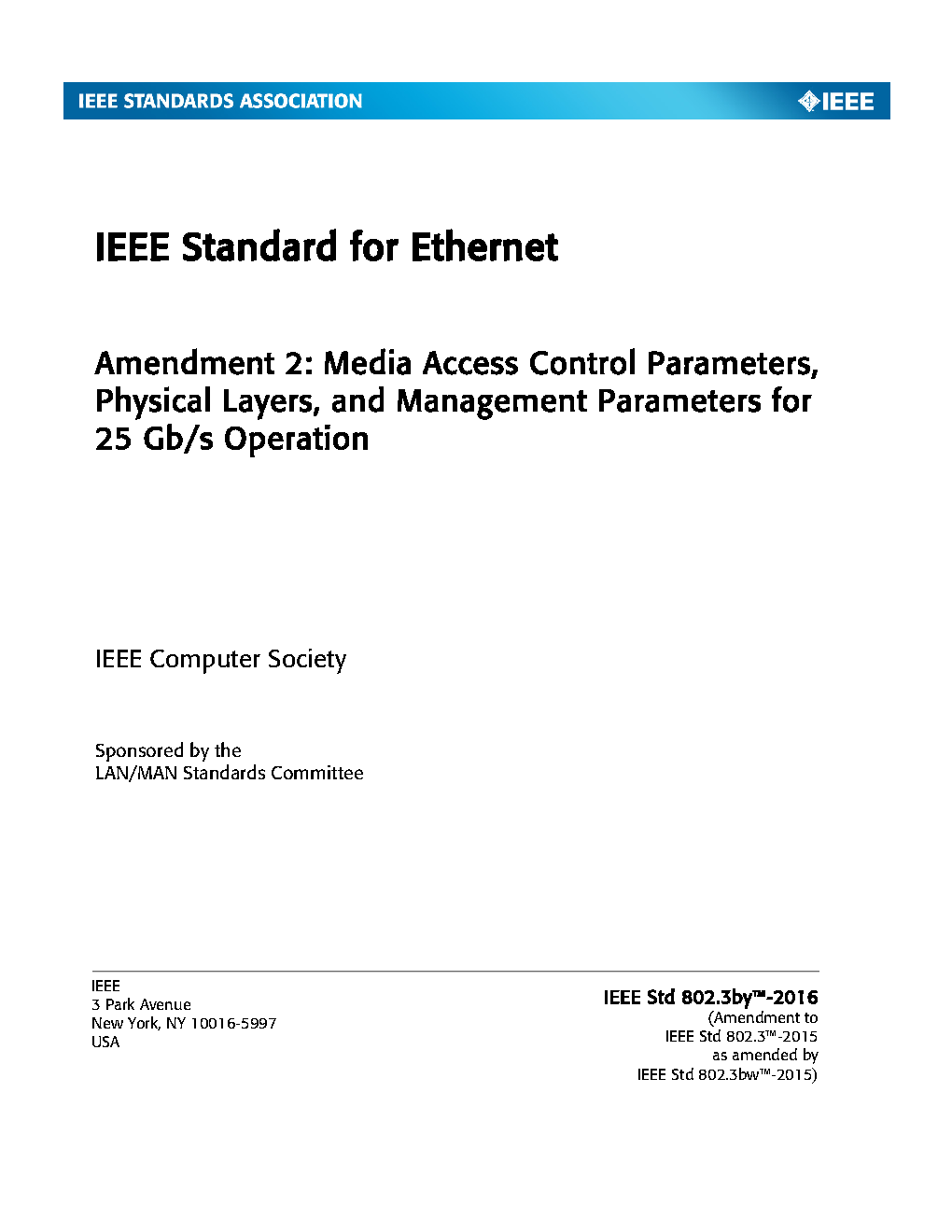
29/07/2016
Superseded
Historical
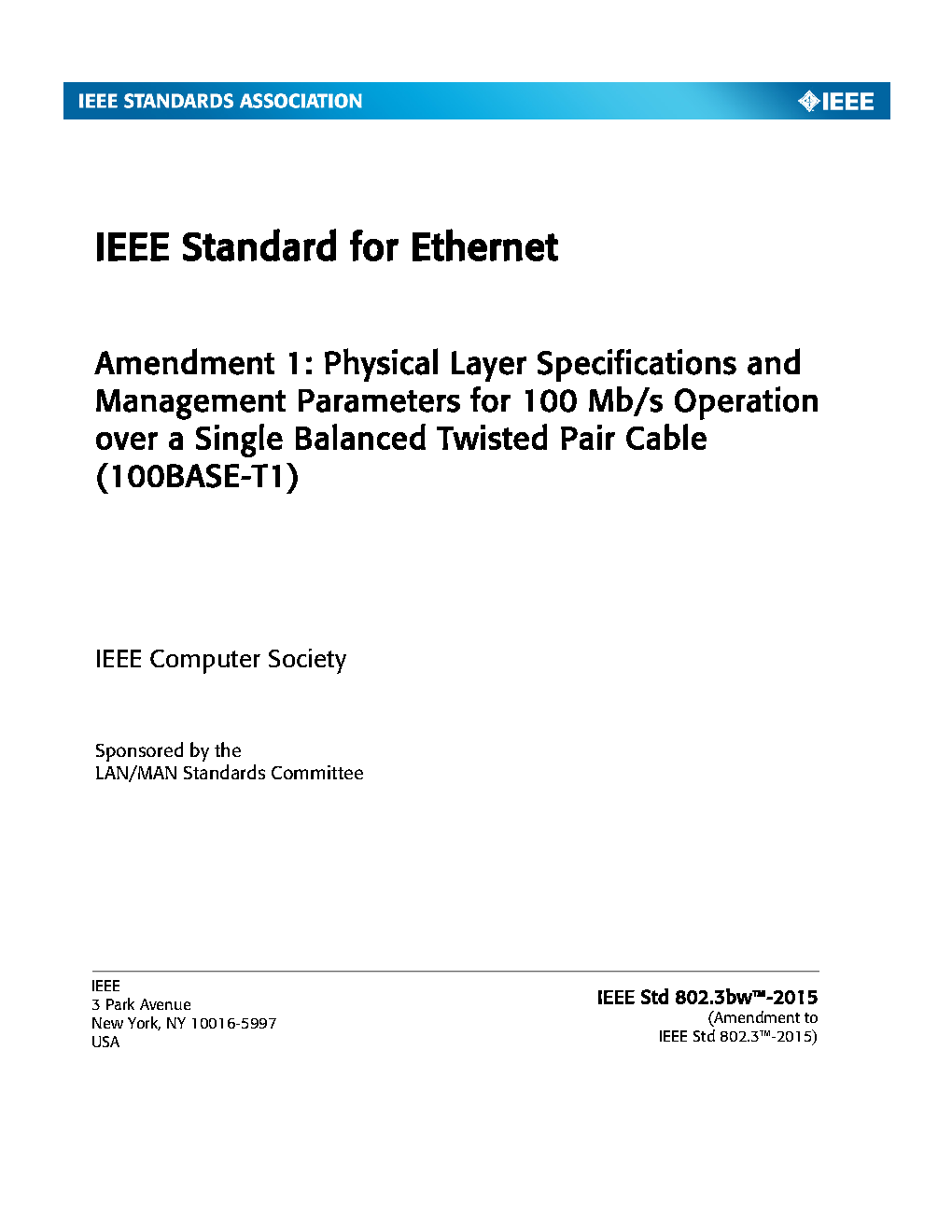


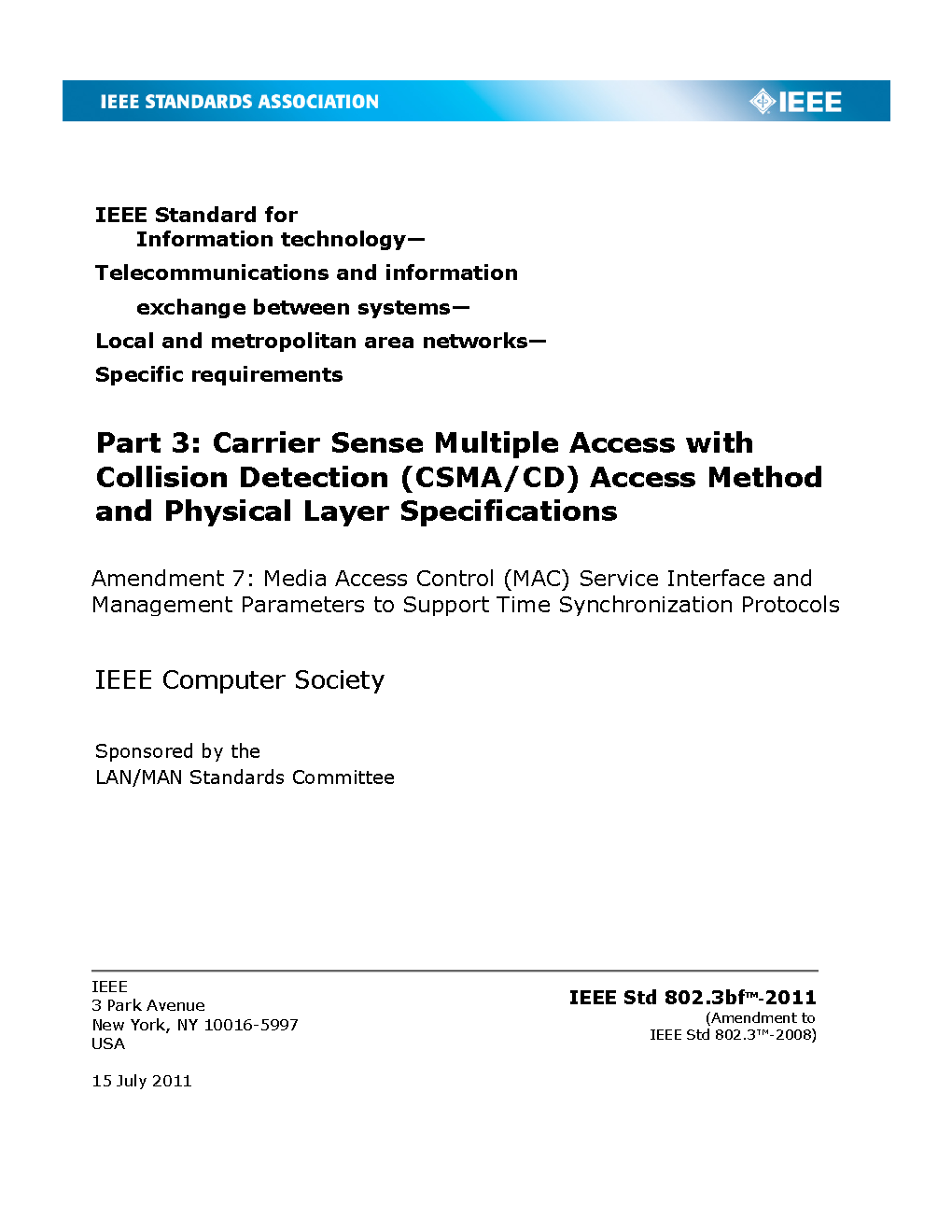
15/07/2011
Superseded
Historical
30/10/2009
Superseded
Historical
30/10/2009
Superseded
Historical
16/10/2006
Superseded
Historical

07/09/2004
Superseded
Historical
26/08/2002
Superseded
Historical
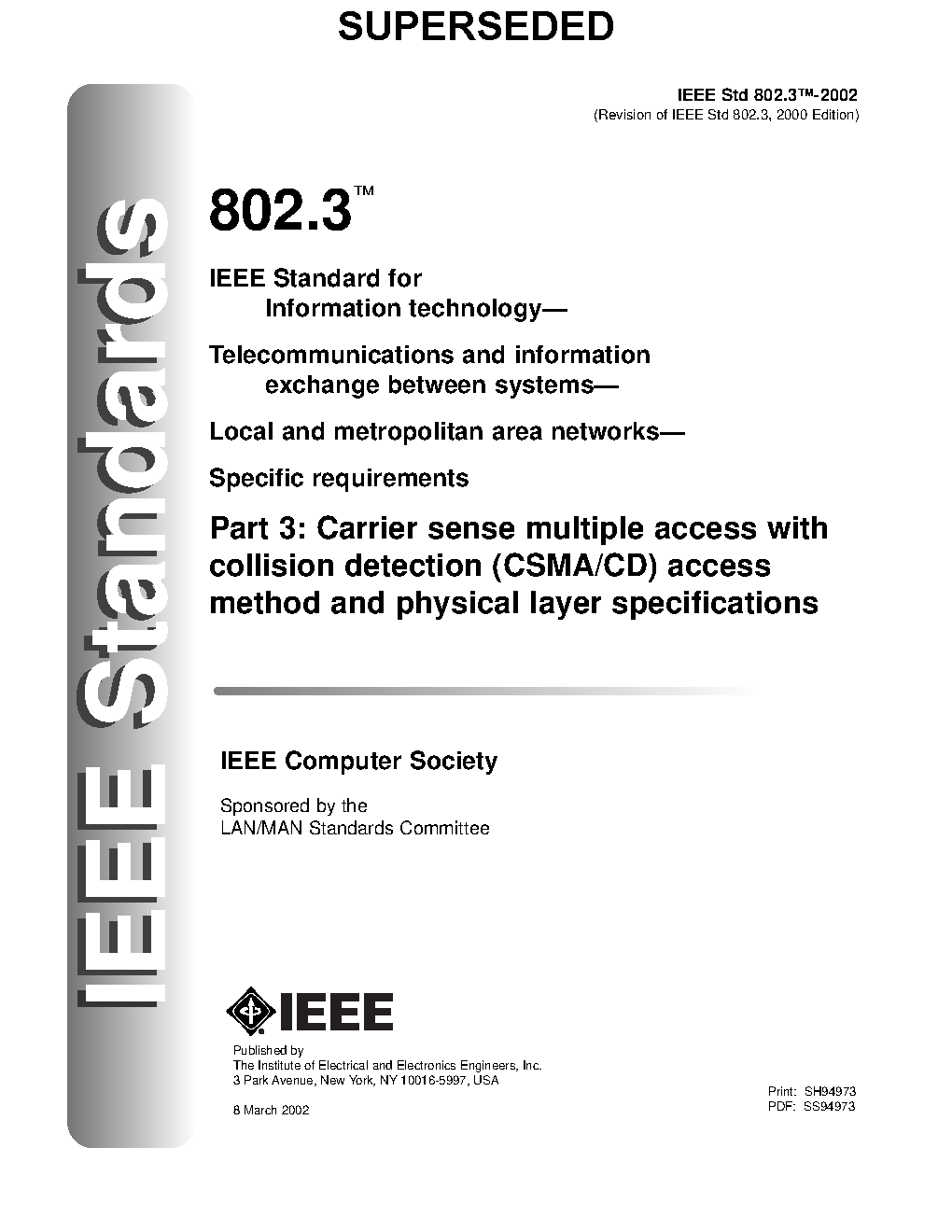
08/03/2002
Superseded
Historical
28/09/1998
Superseded
Historical
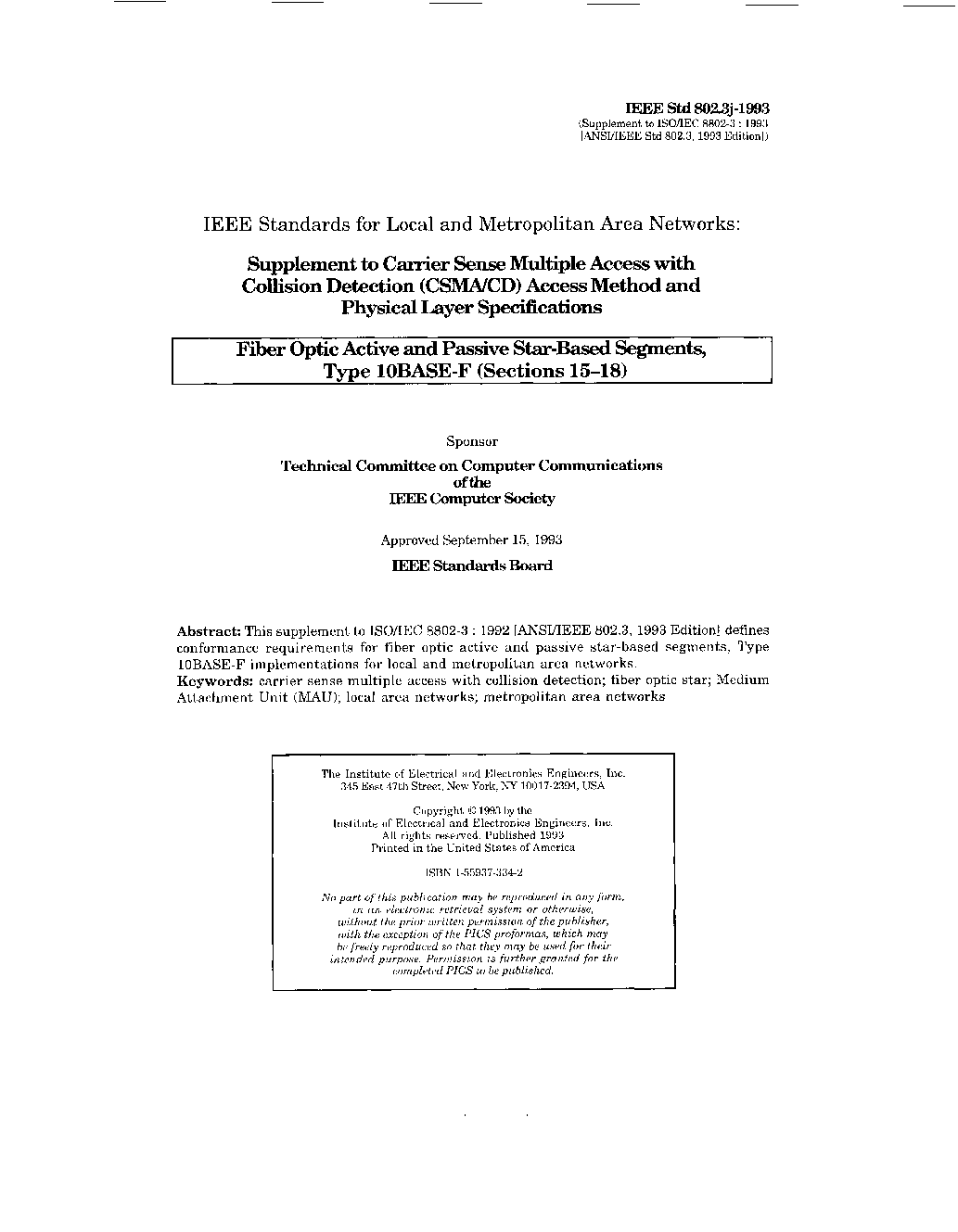
12/10/1993
Superseded
Historical
09/11/1992
Superseded
Historical