Superseded
Standard
Historical
IEEE 802.16:2001
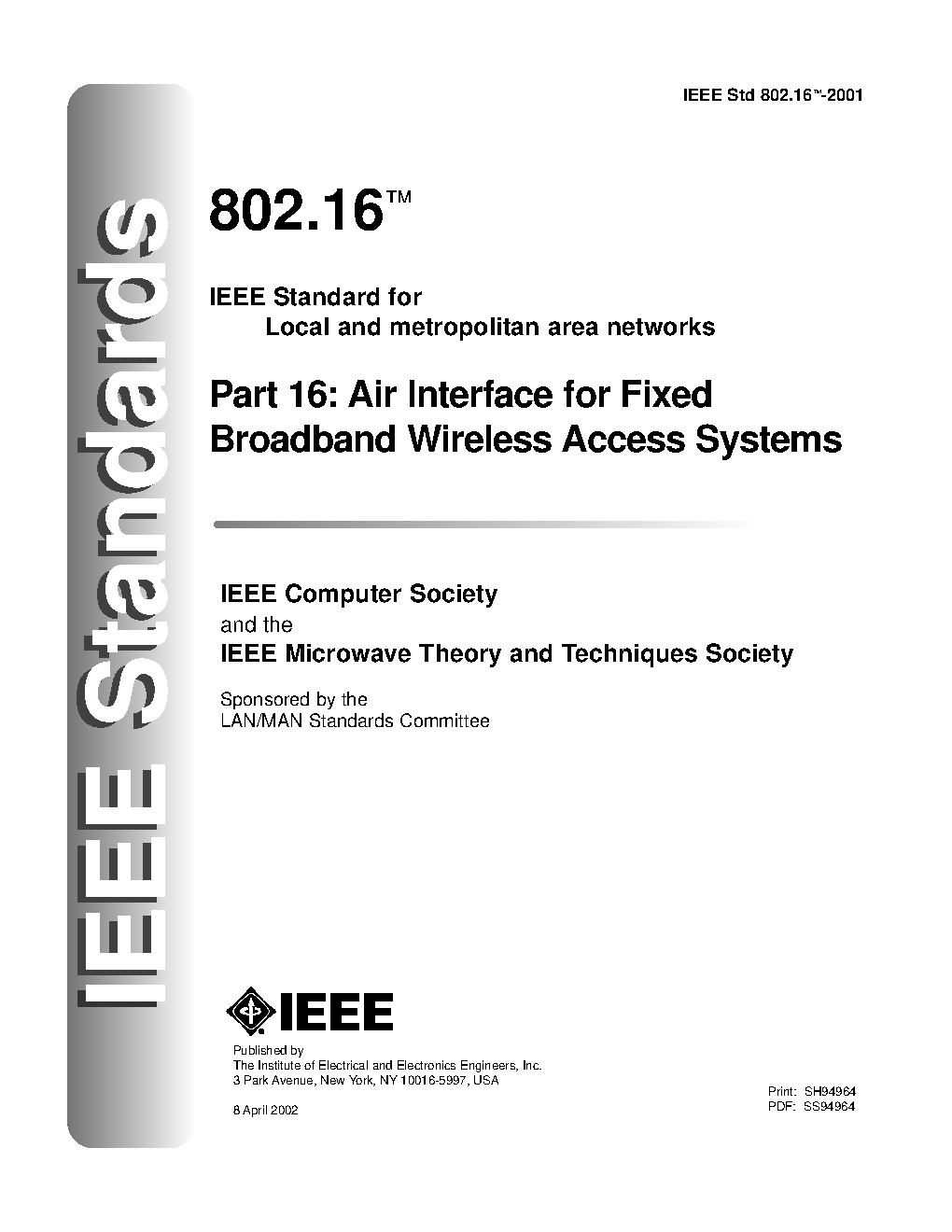
IEEE Standard for Local and Metropolitan Area Networks - Part 16: Air Interface for Fixed Broadband Wireless Access Systems

Summary
New IEEE Standard - Superseded.
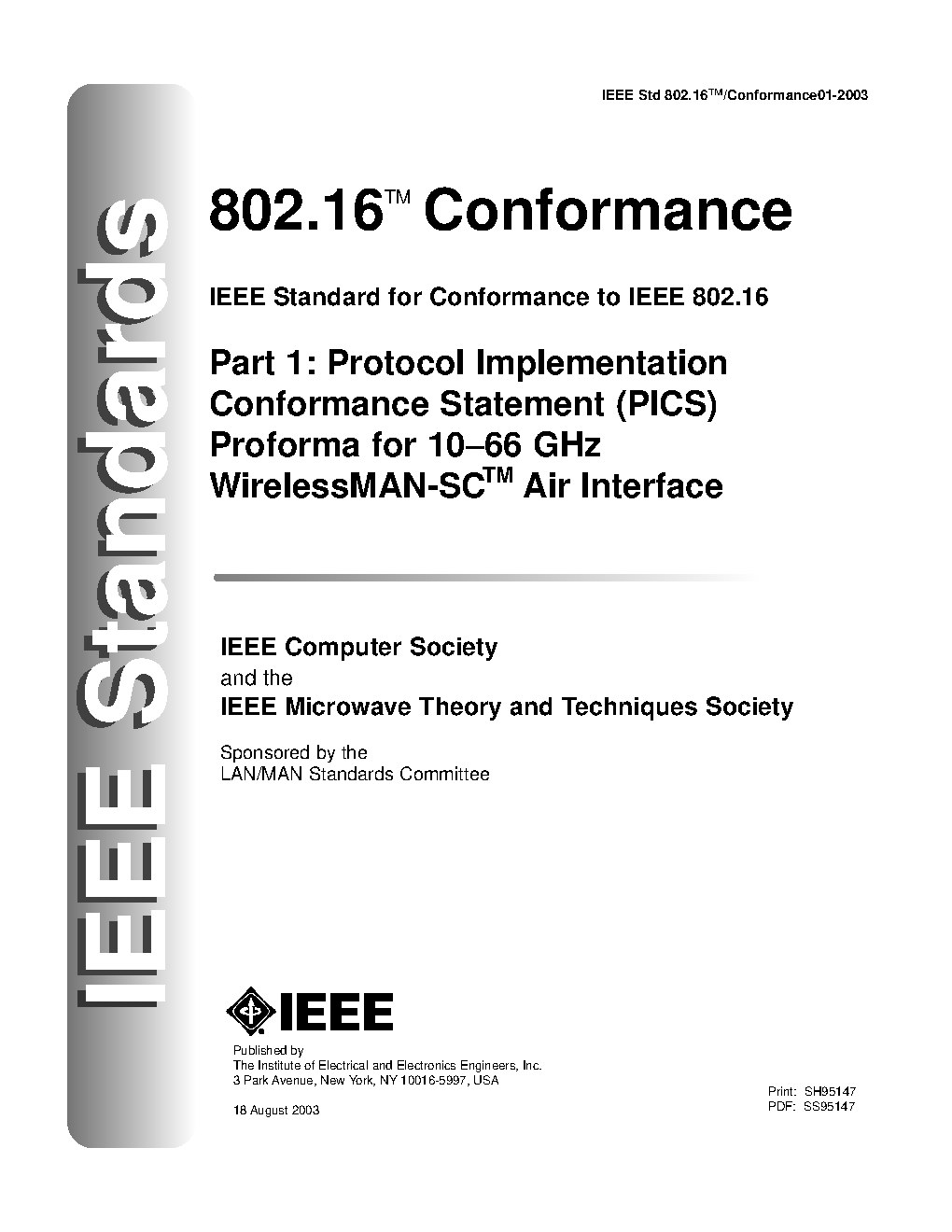
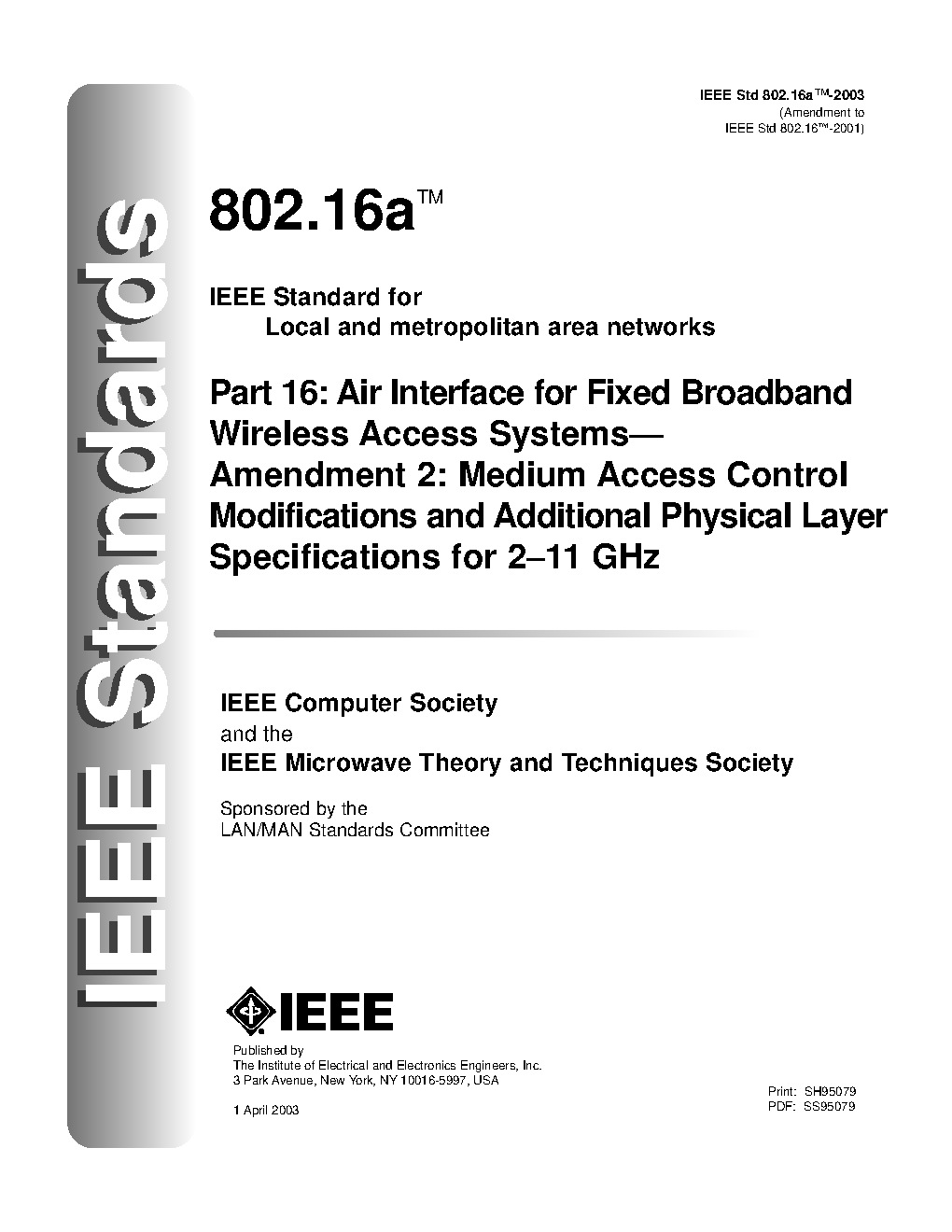
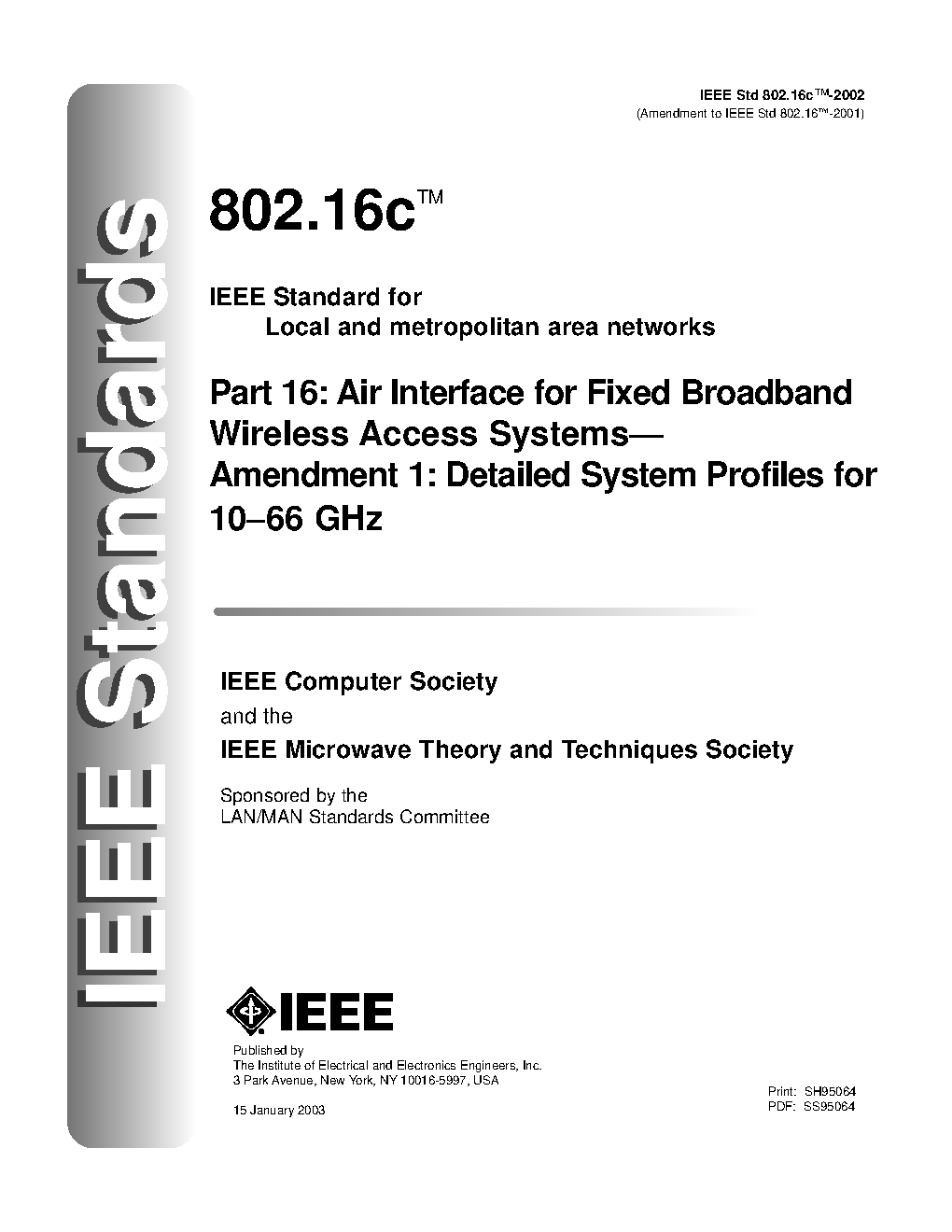
Conformance to IEEE Std 802.16-2001 as amended by IEEE Std 802.16a-2003 and IEEE Std 802.16c-2002) Abstract: This standard represents the Test Suite Structure and Test Purposes (TSS&TP), per ISO/IEC 9646-1:1994 and 9646-2:1995 and ITU-T X.290 and X.291, for conformance specification of base stations and subscriber stations based upon the WirelessMAN-SC (10–66 GHz) air interface specified in IEEE 802.16.
This standard specifies the physical layer and media access control layer of the air interface of interoperable fixed point-to-multipoint broadband wireless access systems. The specification enables transport of data, video, and voice services. It applies to systems operating in the vicinity of 30 GHz but is broadly applicable to systems operating between 10 and 66 GHz.
To enable rapid worldwide deployment of innovative, cost-effective, and interoperable multivendor broadband wireless access products. To facilitate competition in broadband access by providing alternatives to wireline broadband access. To facilitate coexistence studies, encourage consistent worldwide allocation, and accelerate the commercialization of broadband wireless access spectrum.
Conformance to IEEE Std 802.16-2001 as amended by IEEE Std 802.16a-2003 and IEEE Std 802.16c-2002) Abstract: This standard represents the Test Suite Structure and Test Purposes (TSS&TP), per ISO/IEC 9646-1:1994 and 9646-2:1995 and ITU-T X.290 and X.291, for conformance specification of base stations and subscriber stations based upon the WirelessMAN-SC (10–66 GHz) air interface specified in IEEE 802.16.
This standard specifies the physical layer and media access control layer of the air interface of interoperable fixed point-to-multipoint broadband wireless access systems. The specification enables transport of data, video, and voice services. It applies to systems operating in the vicinity of 30 GHz but is broadly applicable to systems operating between 10 and 66 GHz.
To enable rapid worldwide deployment of innovative, cost-effective, and interoperable multivendor broadband wireless access products. To facilitate competition in broadband access by providing alternatives to wireline broadband access. To facilitate coexistence studies, encourage consistent worldwide allocation, and accelerate the commercialization of broadband wireless access spectrum.
Notes
Superseded
Technical characteristics
| Publisher | Institute of Electrical and Electronics Engineers (IEEE) |
| Publication Date | 04/08/2002 |
| Edition | |
| Page Count | 1200 |
| EAN | --- |
| ISBN | --- |
| Weight (in grams) | --- |
| Brochures |

|
No products.
Previous versions
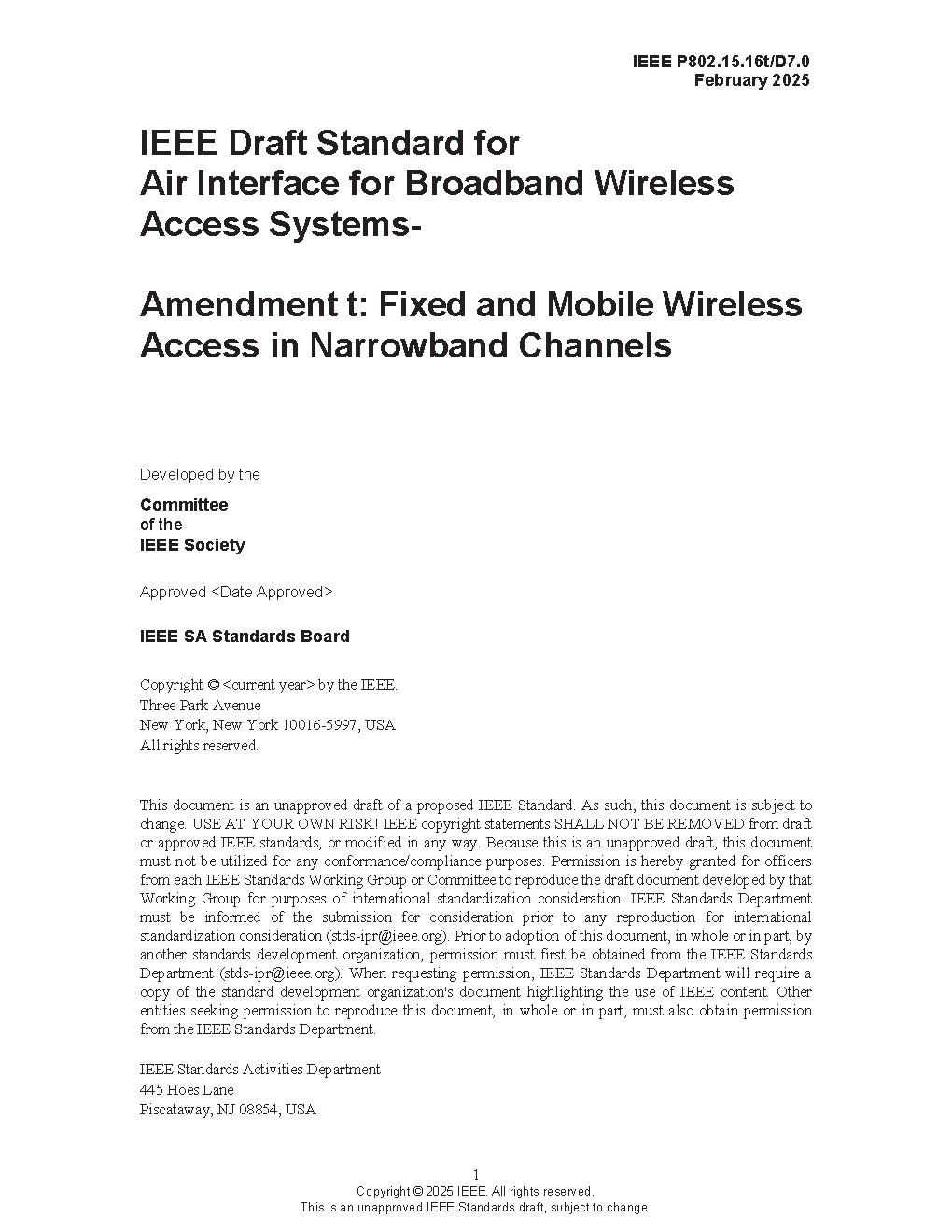
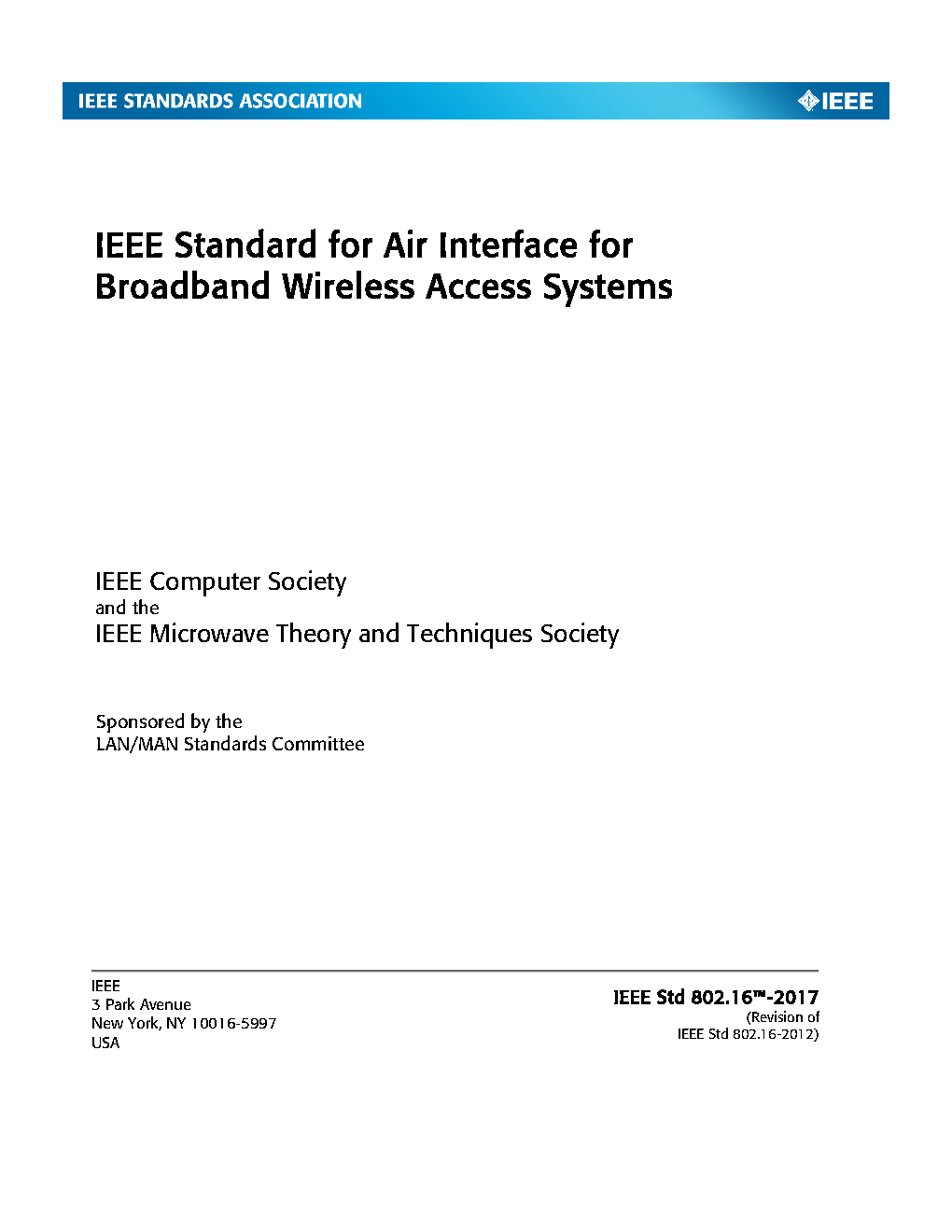
02/03/2018
Active
Most Recent
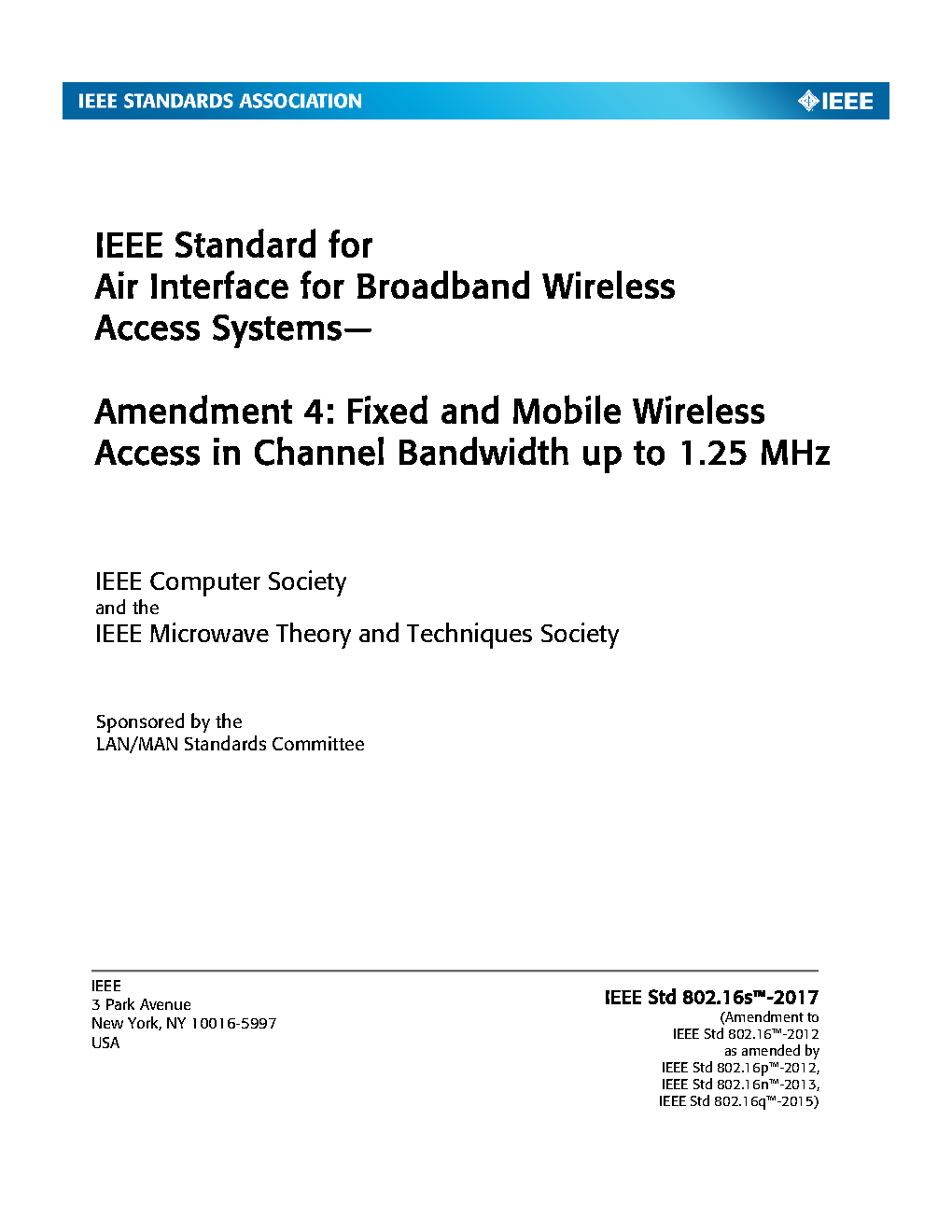
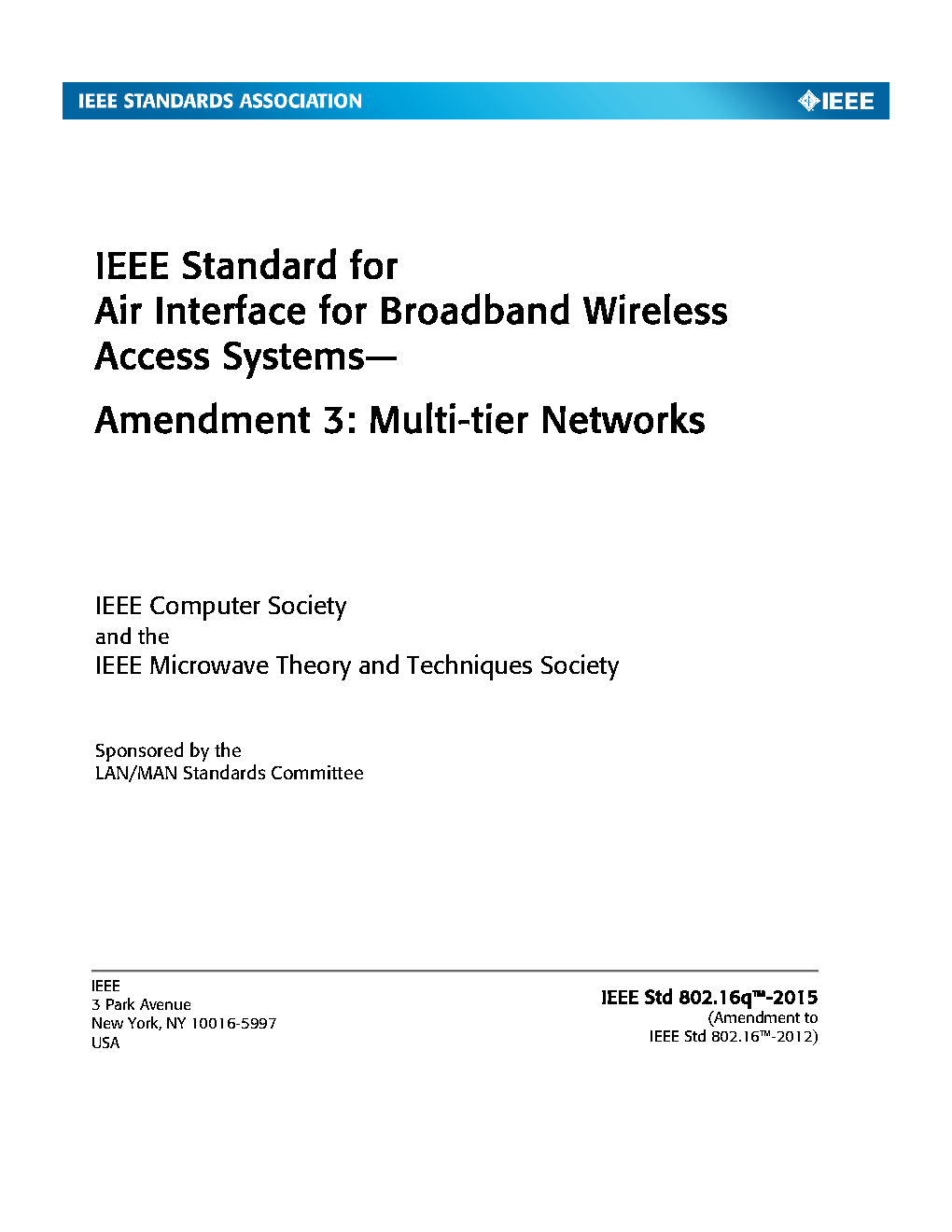
16/03/2015
Superseded
Historical
19/06/2013
Superseded
Historical
17/08/2012
Superseded
Historical
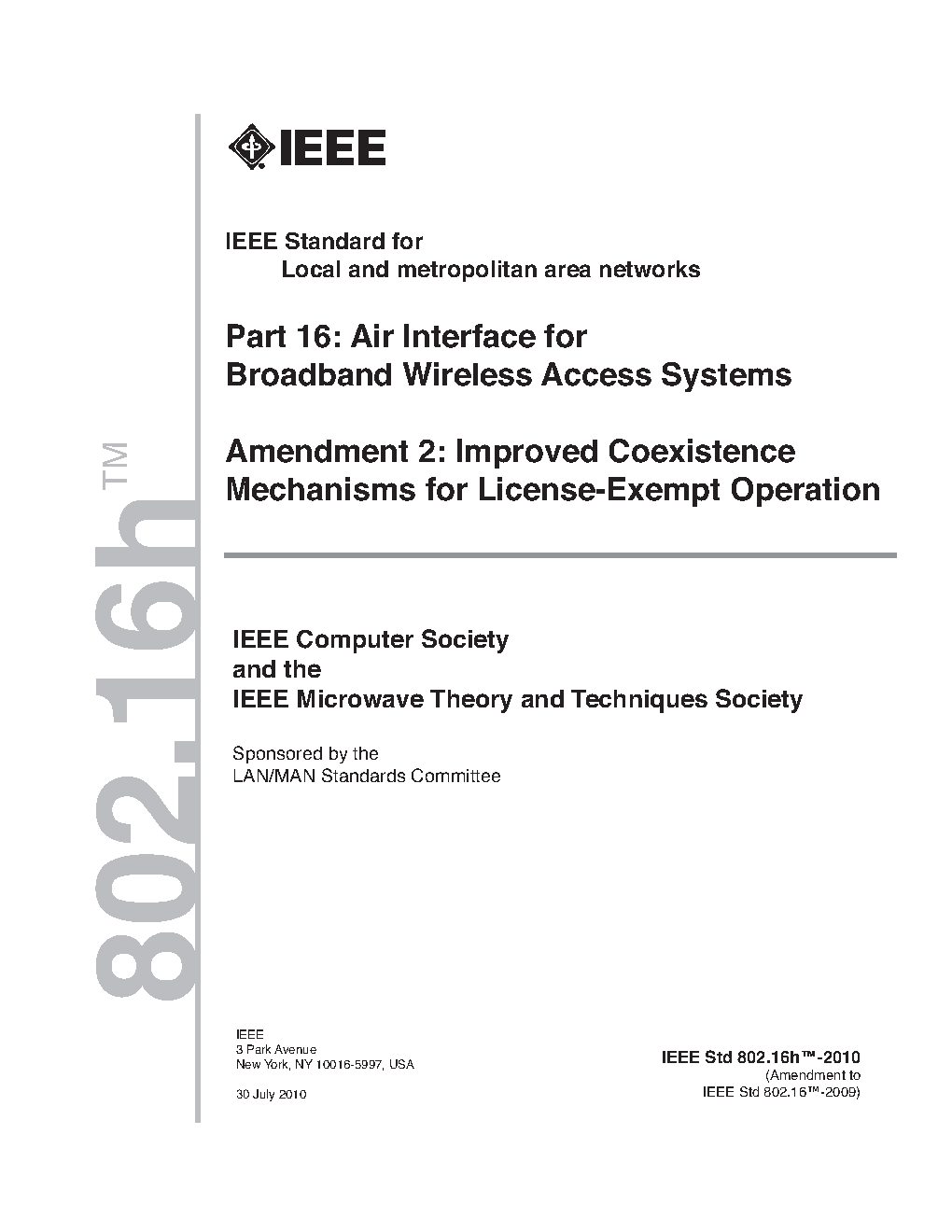
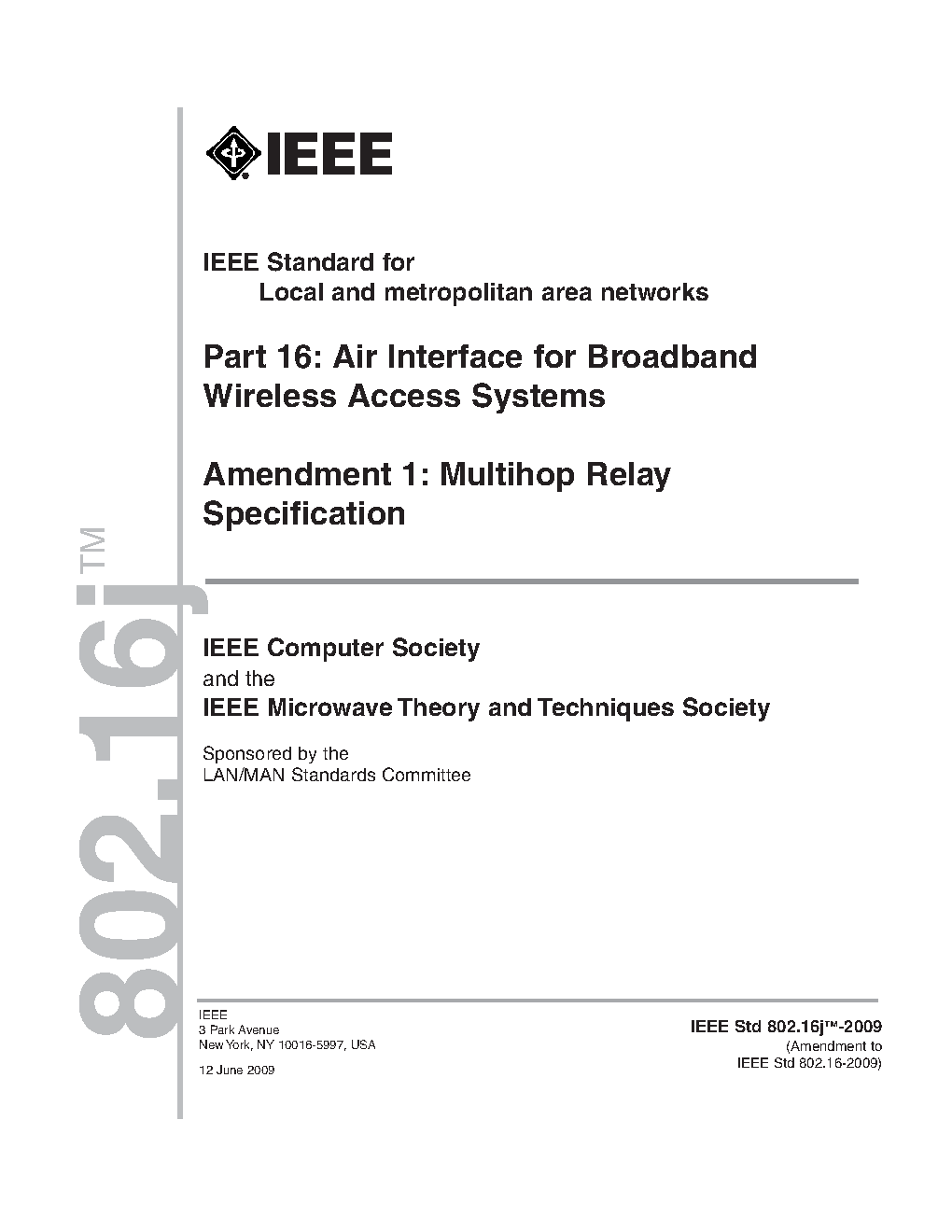
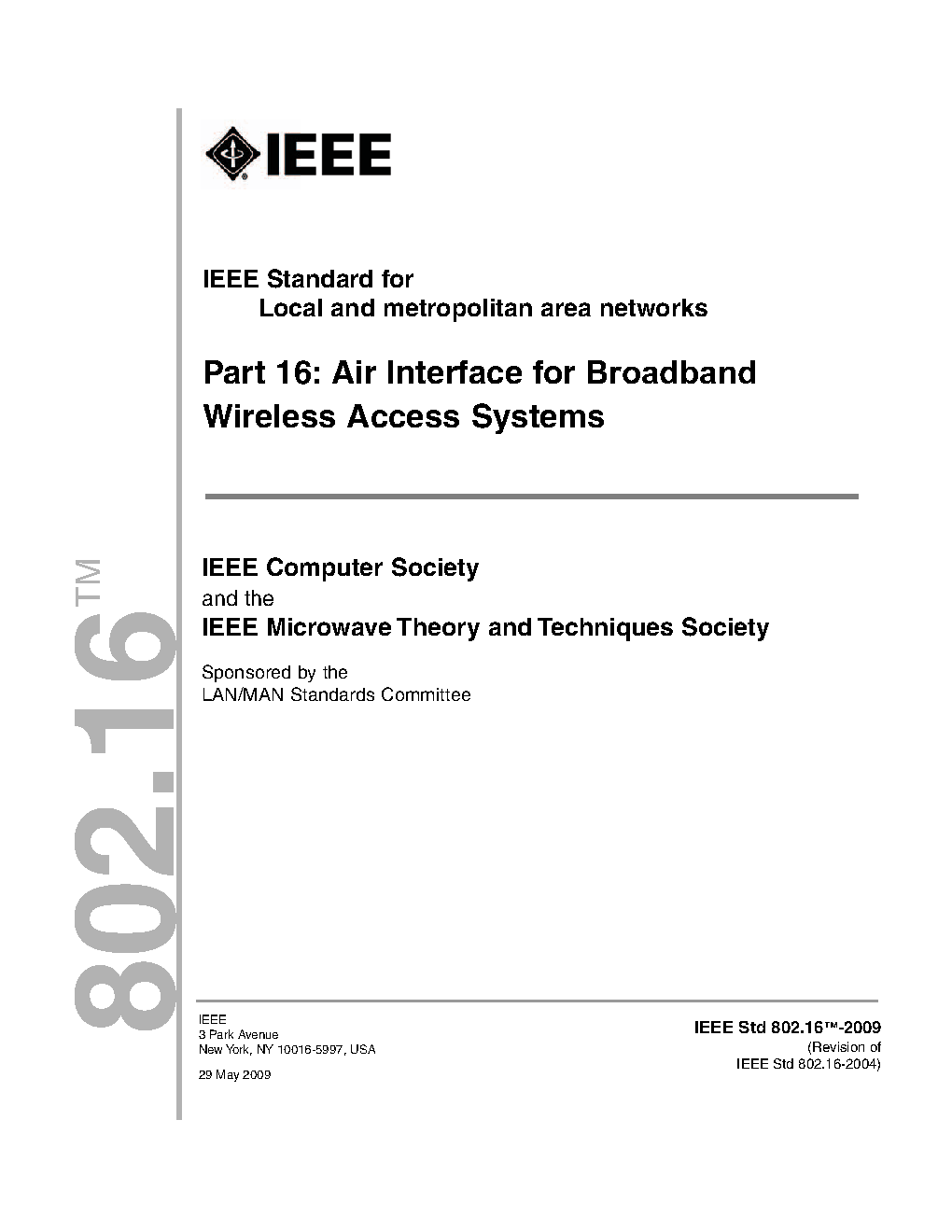
29/05/2009
Superseded
Historical
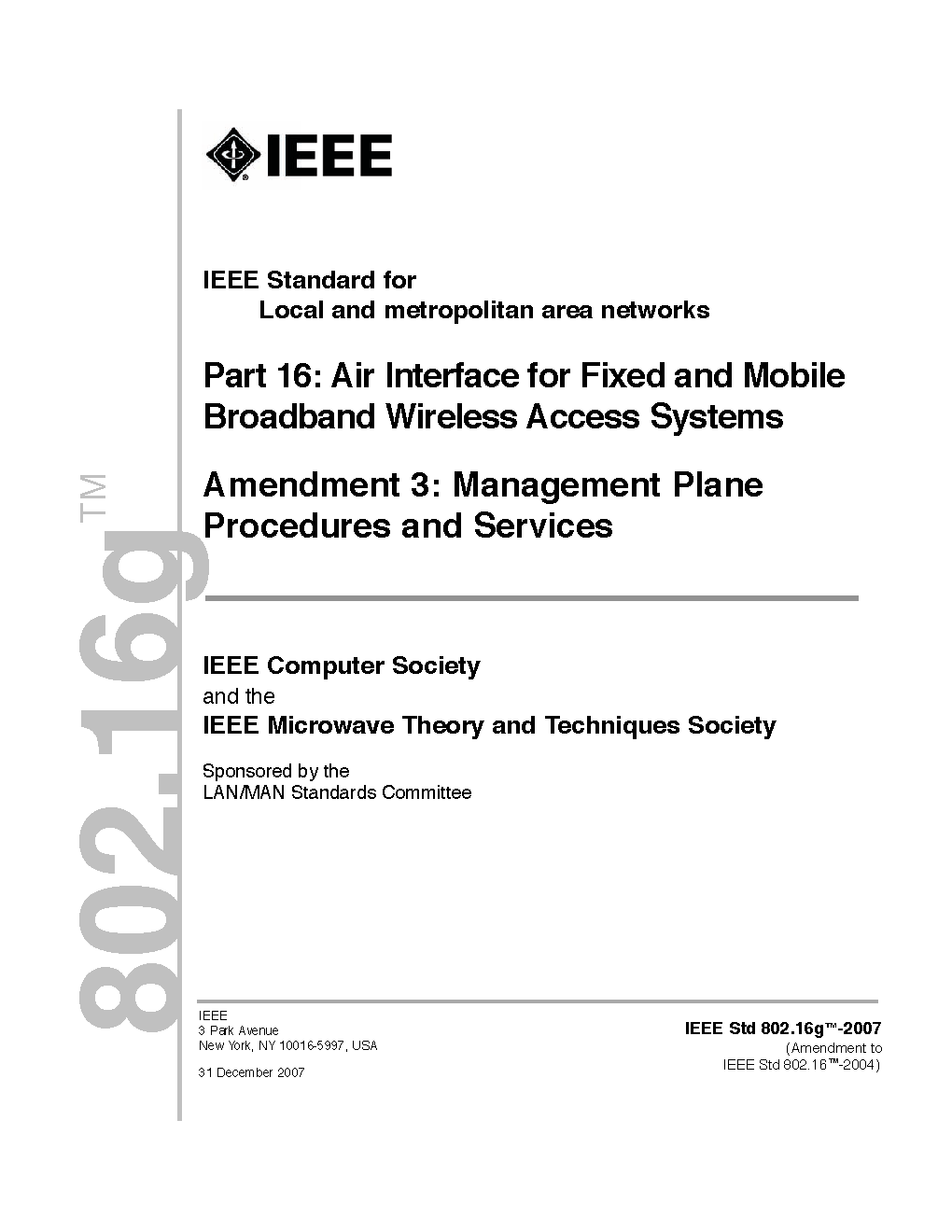
28/02/2006
Superseded
Historical